
We help conservationists carry out their best ideas to protect wildlife.
Our Strategies
To ensure people and wildlife can coexist and thrive, WCN employs three core strategies—supporting the most effective Conservation Partners with the funding and resources they need to protect wildlife, creating Wildlife Funds that provide flexible grants to a wide range of organizations that protect a specific species across its entire range, and investing in the education and career growth of Rising Wildlife Leaders.Conservation Partners
We find the best entrepreneurial organizations and invite them to receive in-depth, ongoing support by joining our Network of Conservation Partners. We provide our Partners with the financial resources, tools, and services they need to effectively protect wildlife. Conservationists in our Network work within local communities to find solutions that address the needs of both wildlife and people.
Wildlife Funds
We establish Wildlife Funds when we see a need and an opportunity to protect threatened wildlife across a larger landscape. By providing specific, short-term funding to projects from institutions big and small, we harness the power of multiple organizations working to save a species throughout its entire habitat. 100% of donations to WCN'S Wildlife Funds go directly to the field, with zero overhead.
Rising Wildlife Leaders
Conservation thrives when local conservationists have the support they need to protect wildlife. We invest in these brave women and men to strengthen their skills, build their organizations, and advance their careers in conservation. Through scholarships and grants, we provide support to the local people who are shaping conservation in their home countries, ensuring we have a greater and more sustainable impact for wildlife.
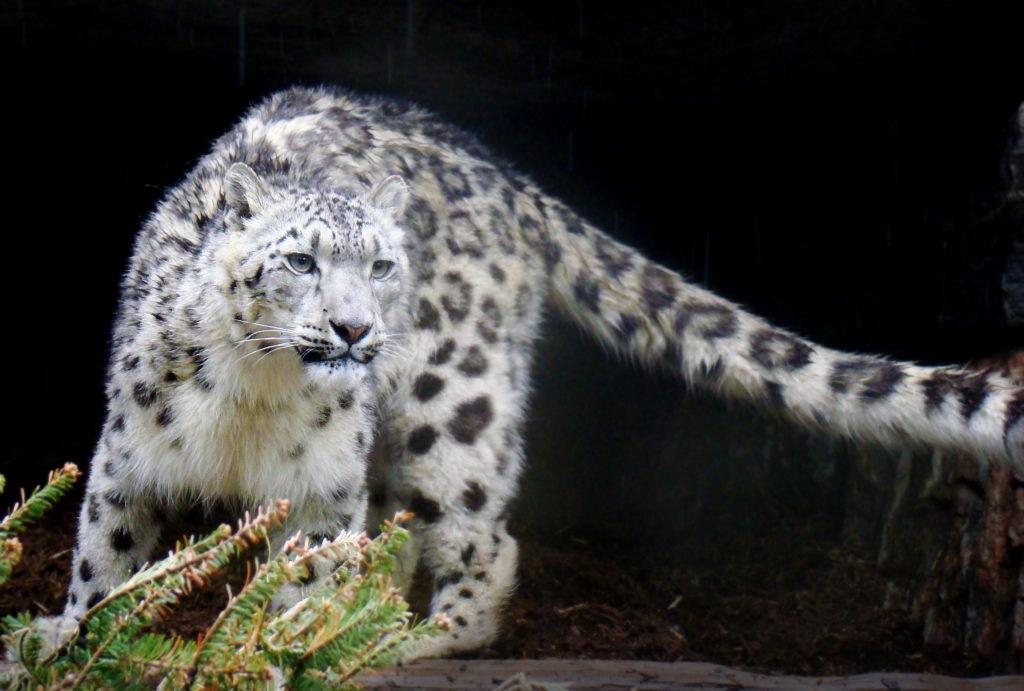
Snow Leopard
The strikingly beautiful but endangered snow leopard remains one of the world’s most mysterious and rarely seen cats.
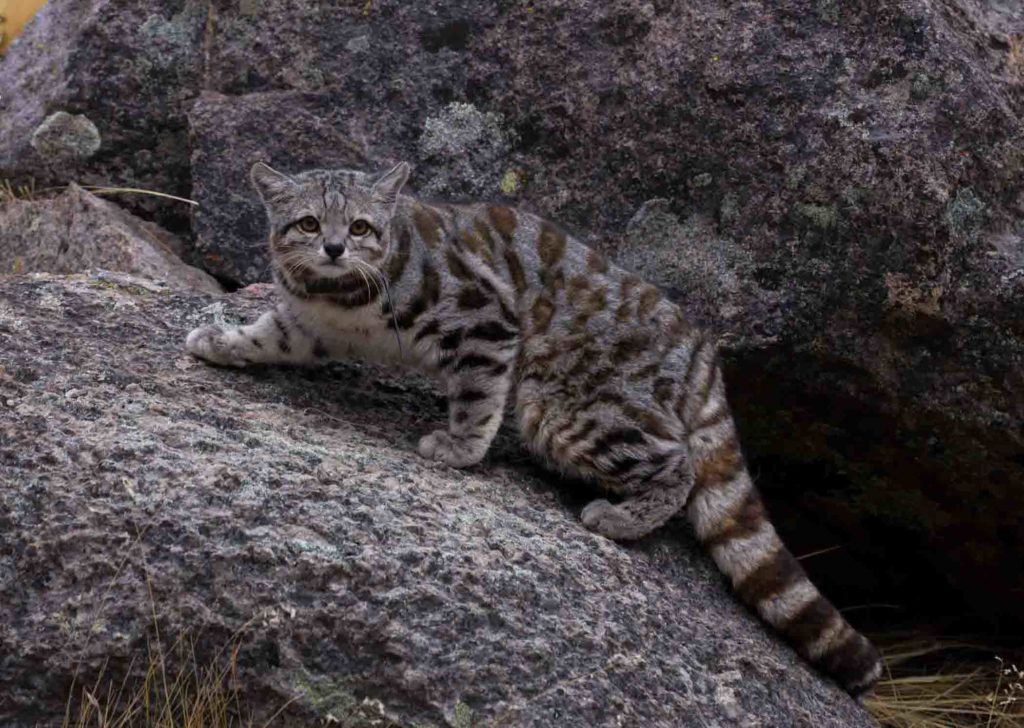
Andean Cats
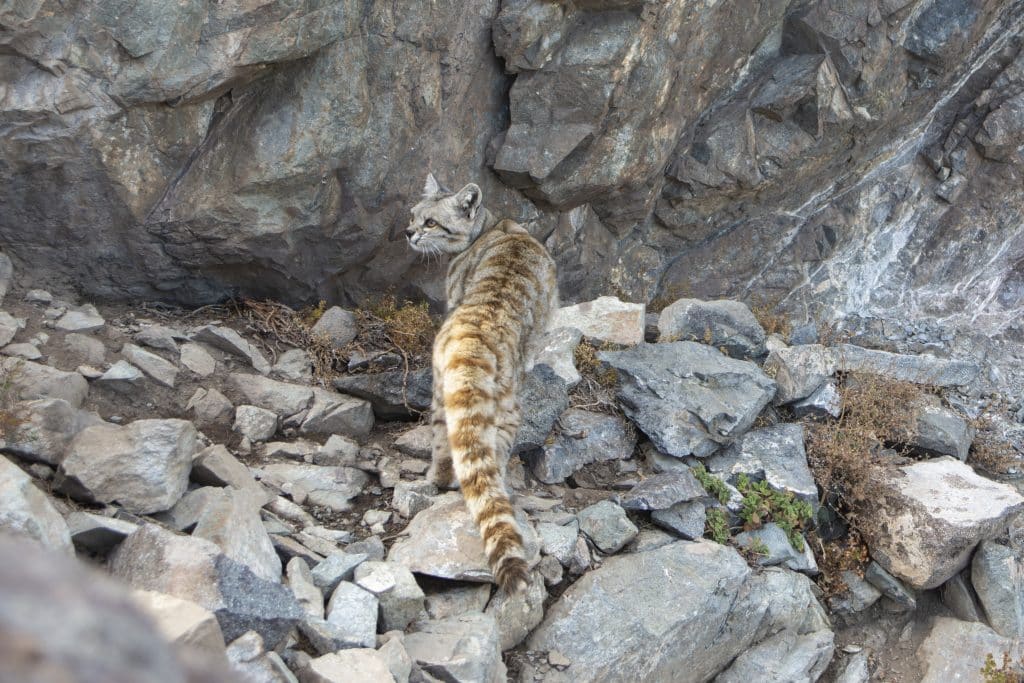
The Andean cat is one of the rarest and least known cats in the world; fewer than 1,400 exist in the mountains of South America.
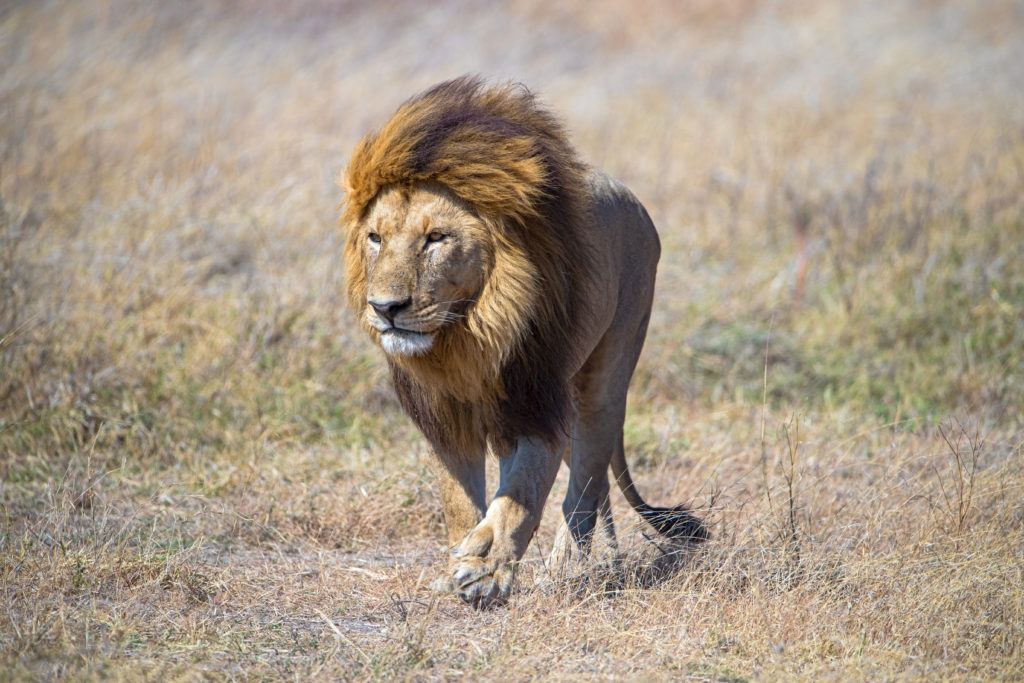
Lion—Niassa
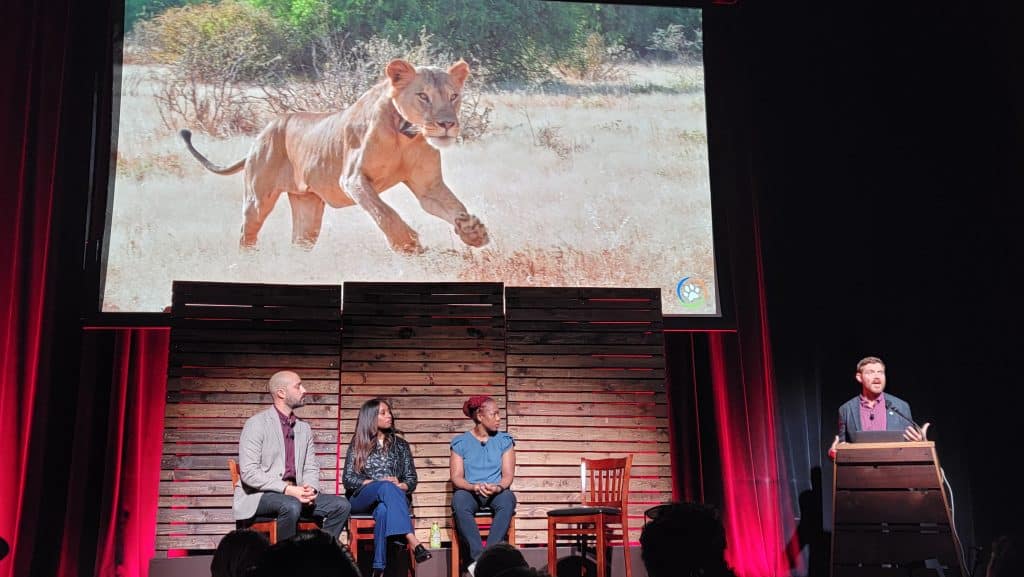
Niassa National Reserve in Mozambique is one of the last great wild places on Earth and one of the important remaining strongholds for the African lion.
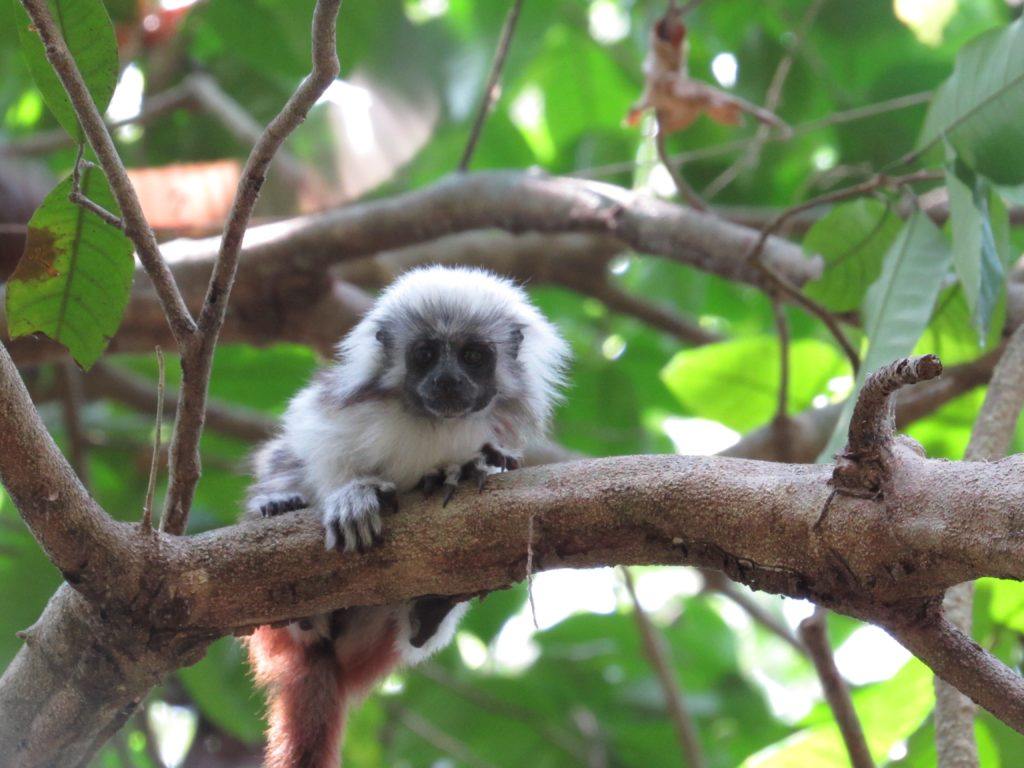
Cotton-Top Tamarin
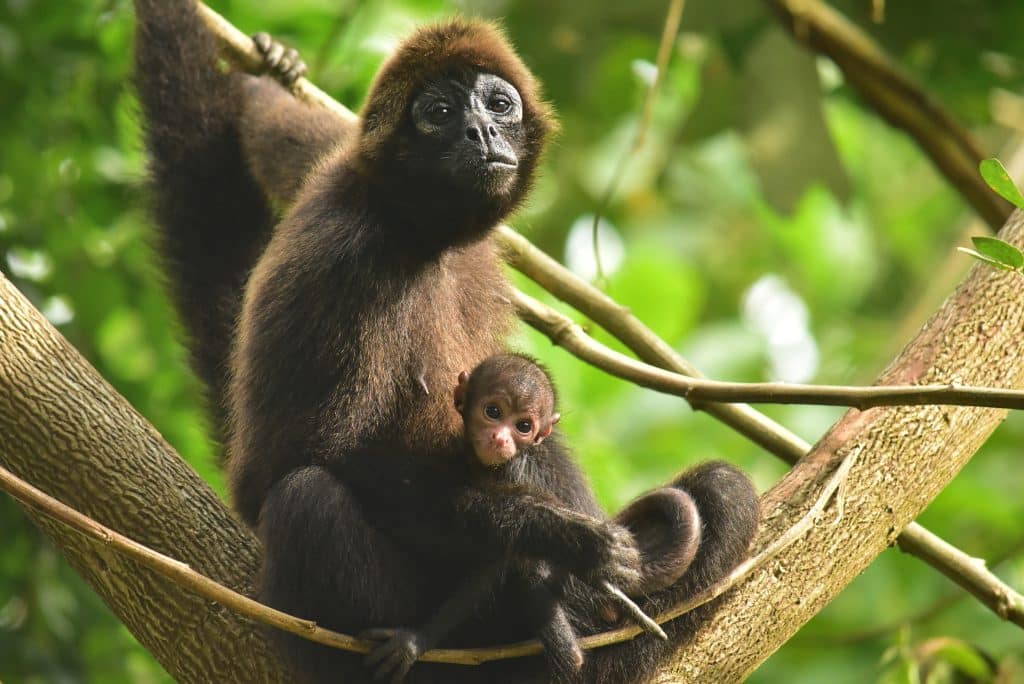
The tiny cotton-top, which weighs less than a pound, are found only in northwestern Colombia and are one of the most endangered primates in the world.
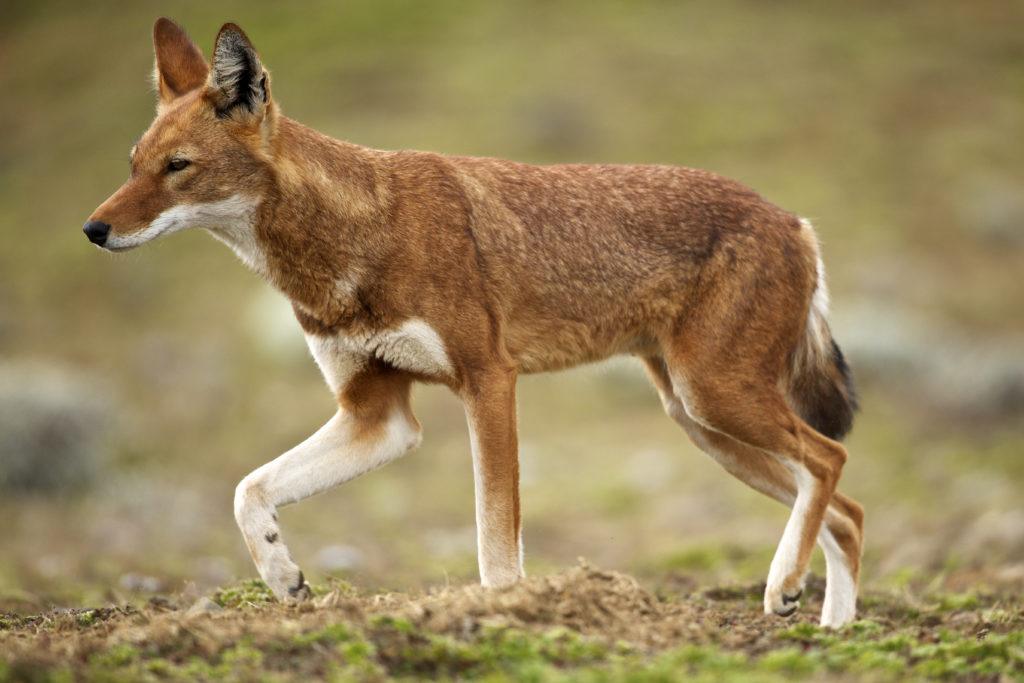
Ethiopian Wolf
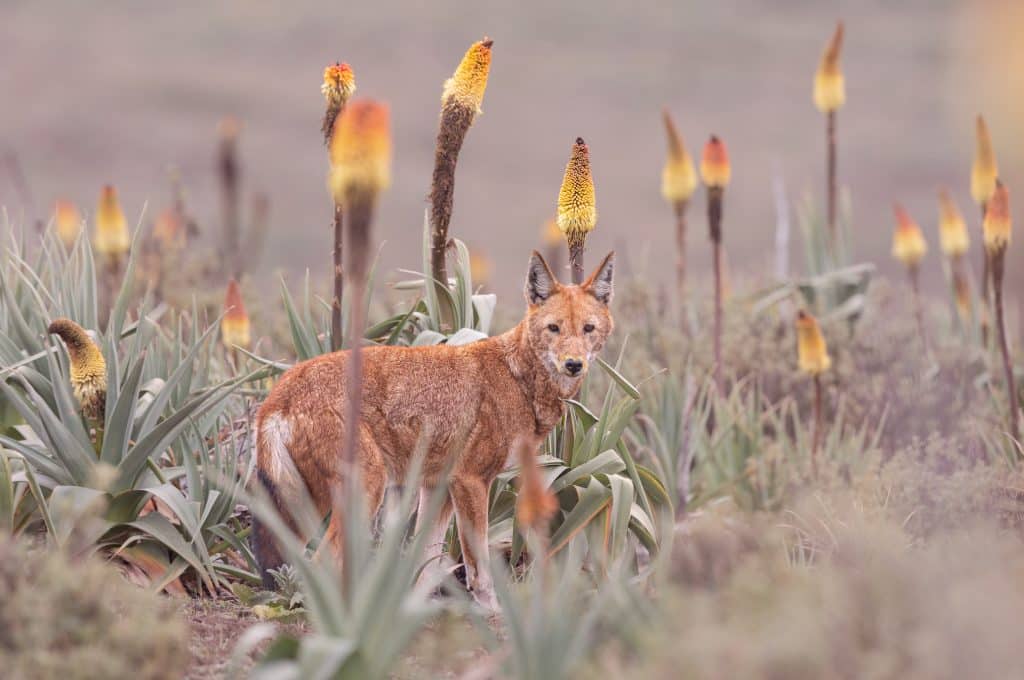
The Ethiopian wolf is the rarest and most endangered canid in the world.
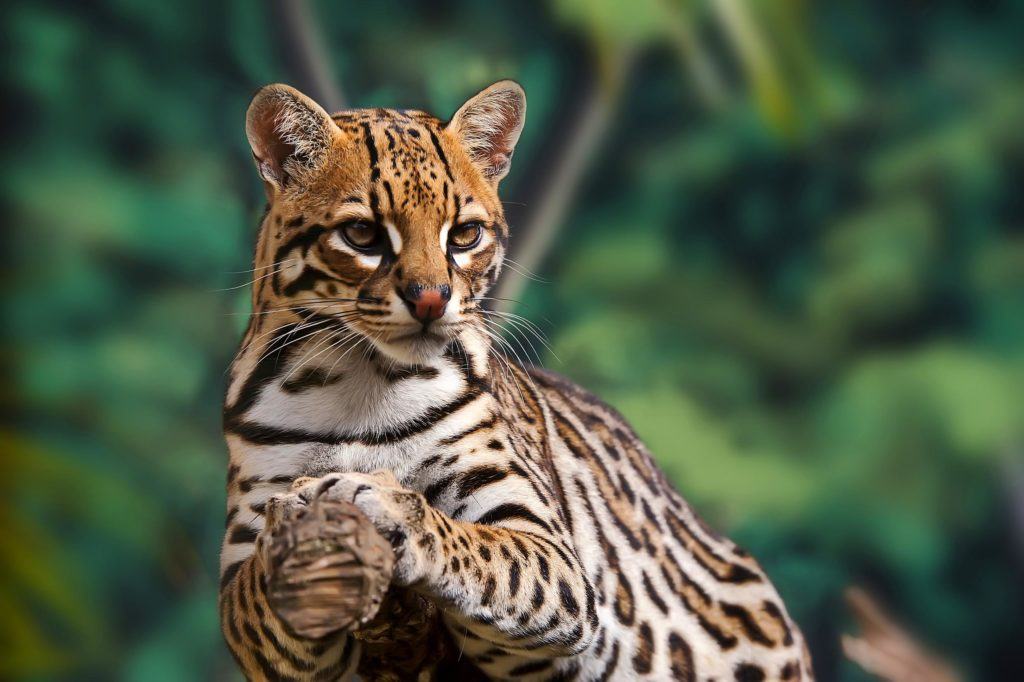
Small Wild Cats
Most people are familiar with big cats, but few could name the 33 species of small wild cats living all around the world.
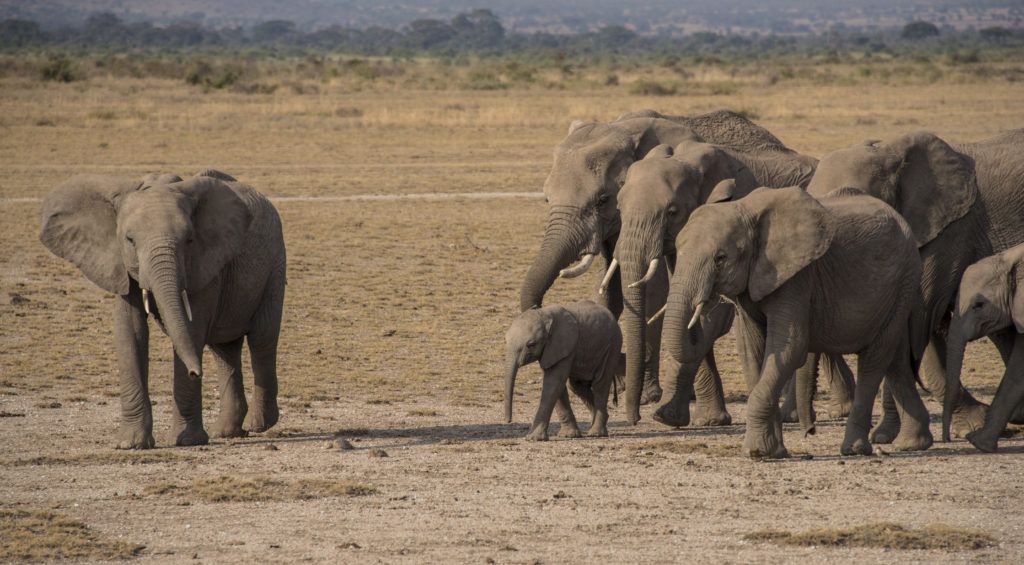
Elephant
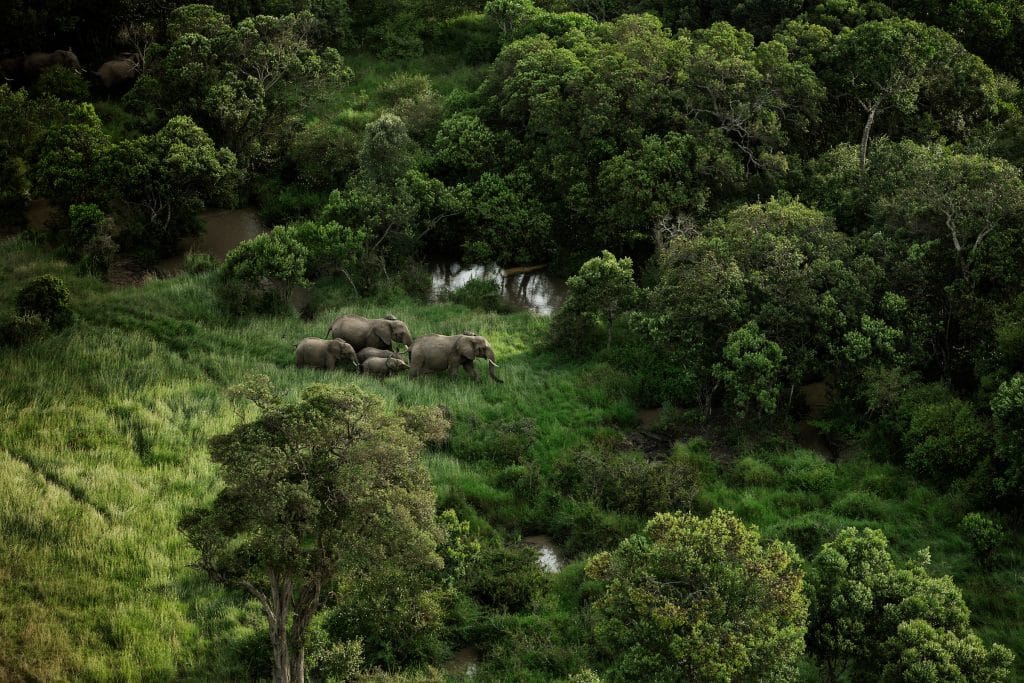
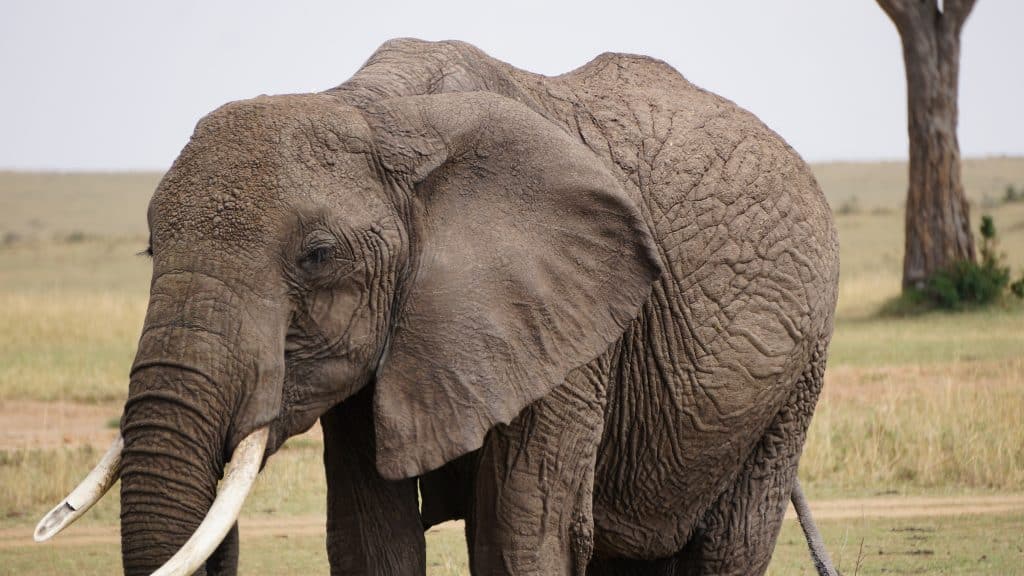
Elephants are among the world’s most intelligent, sensitive and social animals, possessing both empathy and family values.
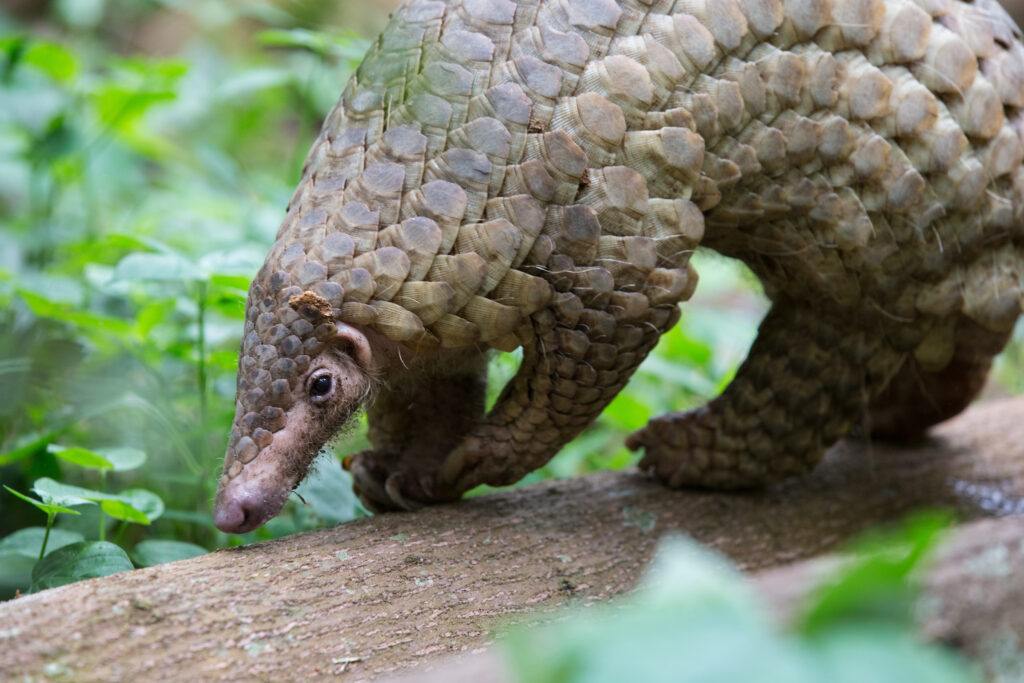
Pangolins
Pangolins have the unfortunate distinction of being the most illegally trafficked wild mammal in the world. All eight species of pangolins are threatened with extinction.
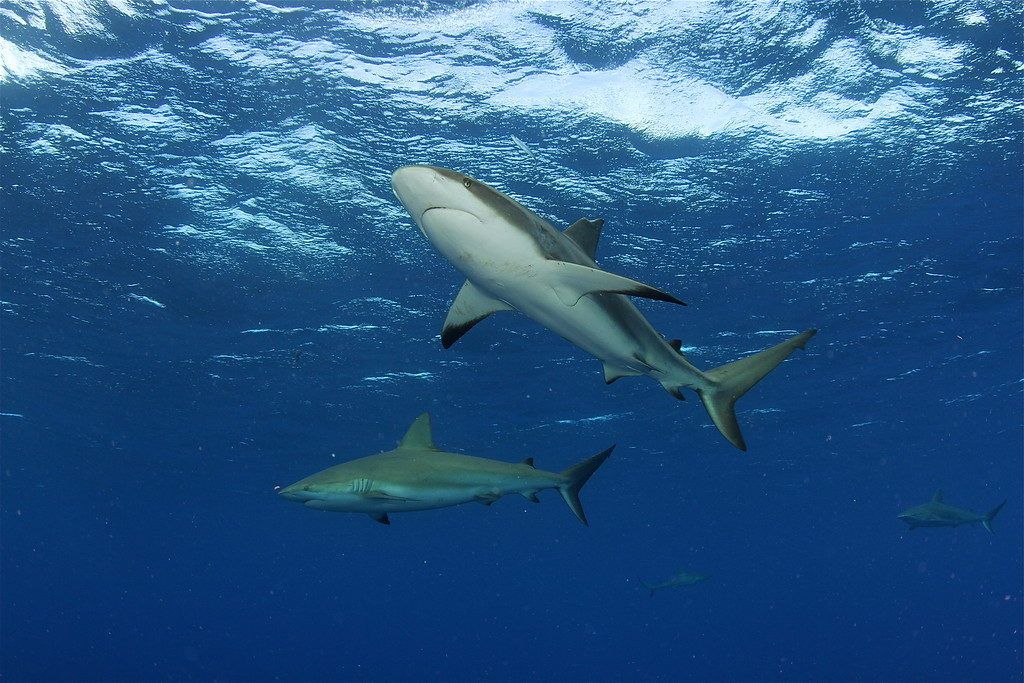
Sharks and Rays
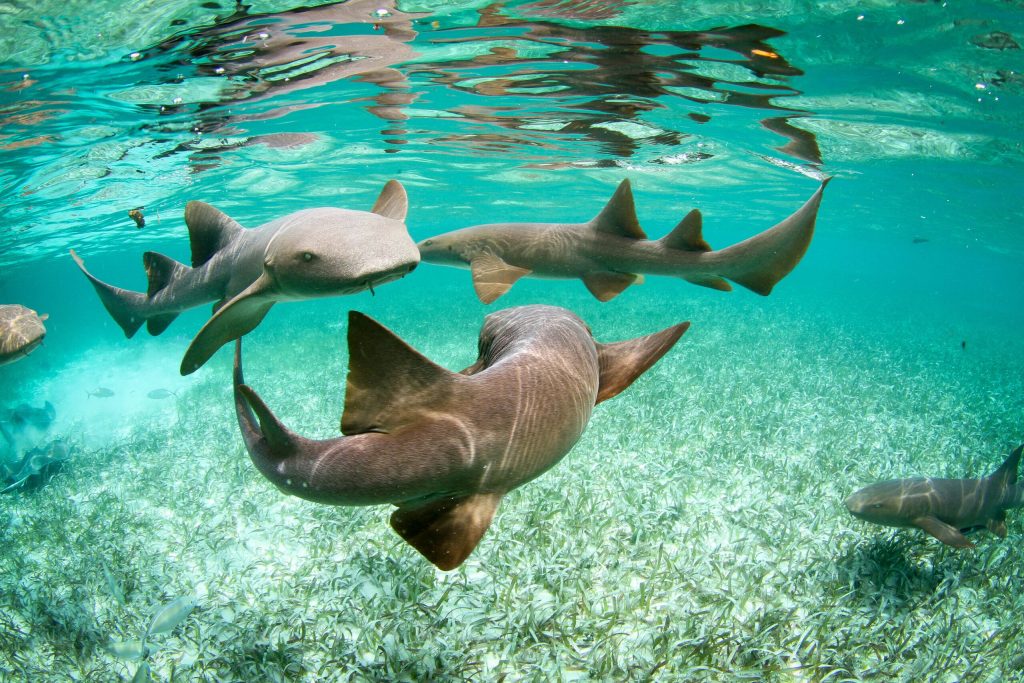
Sharks and rays are essential for healthy oceans, but are vulnerable to human threats like pollution, climate change, and overfishing.
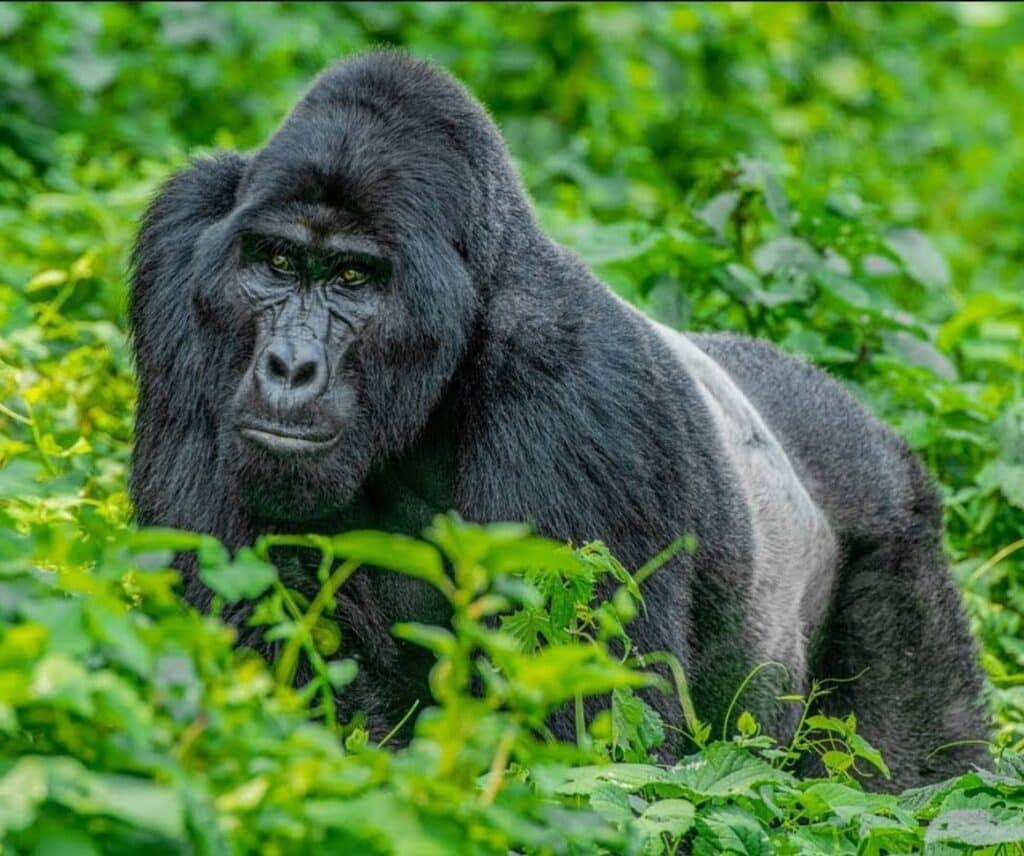
Gorillas
Gorillas are strong and social beings, yet they face threats from habitat degradation and disease transmission.
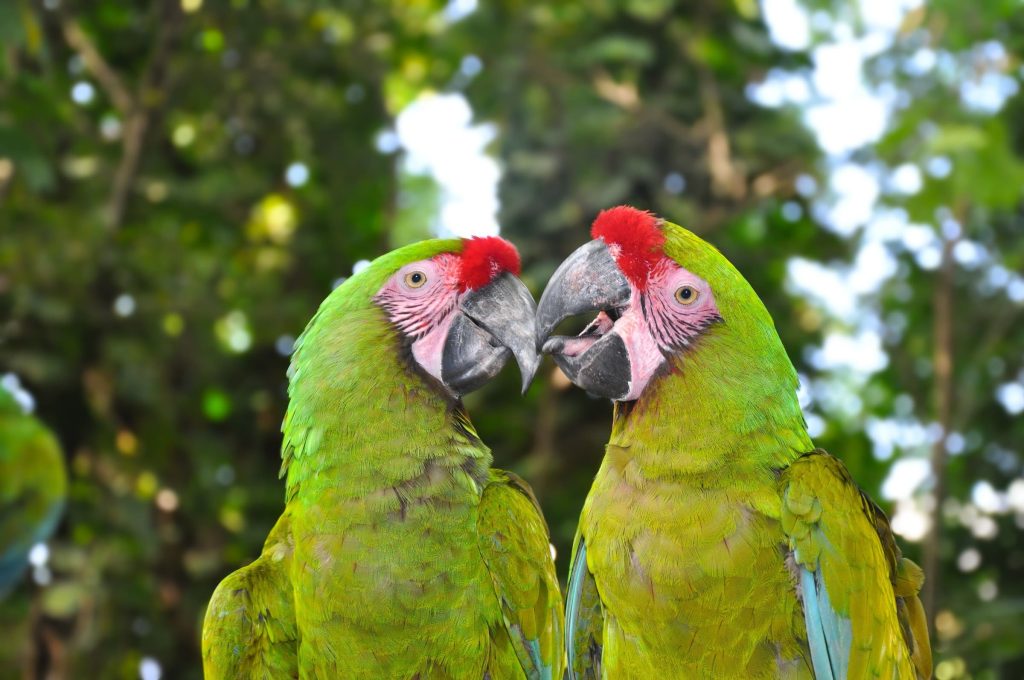
Macaws
Macaws are renowned for their beauty, intelligence, and charisma, yet due to their slow reproductive rate very few remain in the wild.
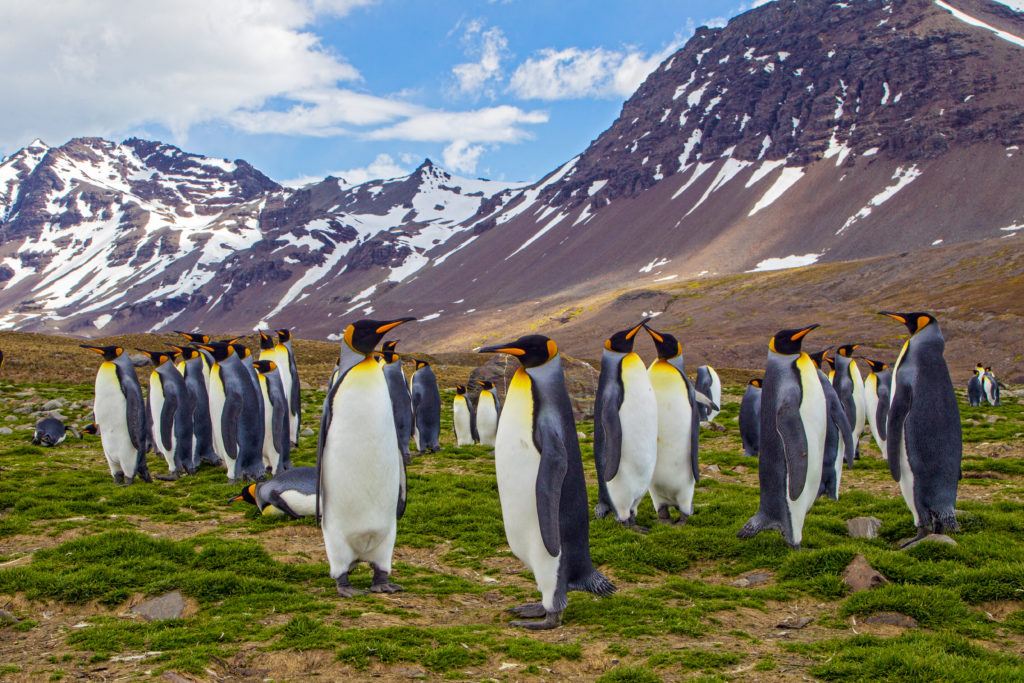
Penguins
There are 18 different penguin species living throughout the Southern Hemisphere, 55% of which are listed as threatened.
Cheetah—Botswana
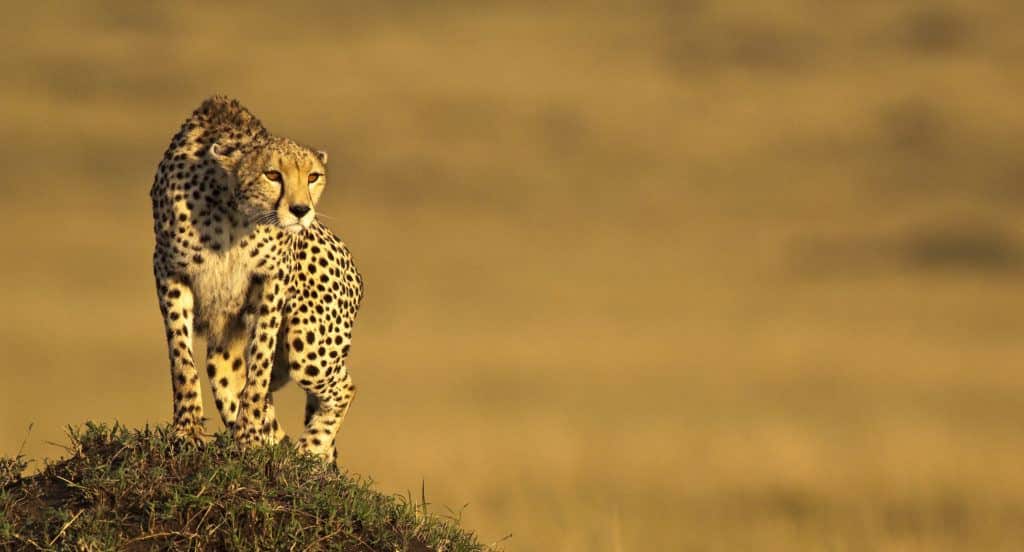
Botswana provides a home for approximately 30% of the earth’s remaining 7,100 cheetahs, it is the only country where their population remains stable.
Saiga Antelope
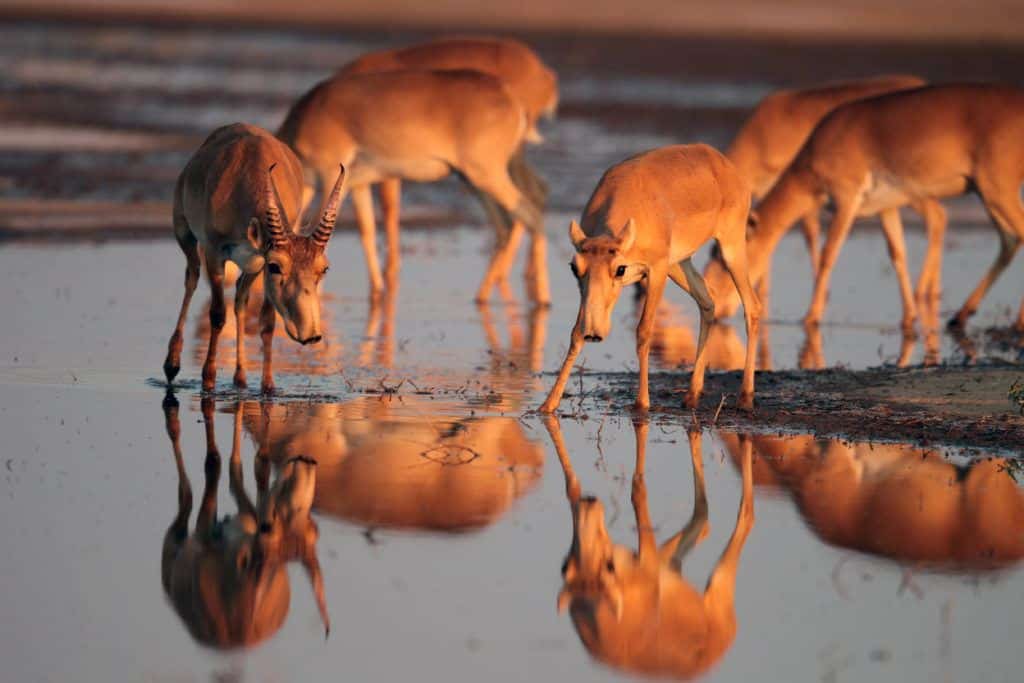
The saiga antelope has been around since the Ice Age and once numbered in the millions; today only 40,000 survive.
Dolphins and Dugongs
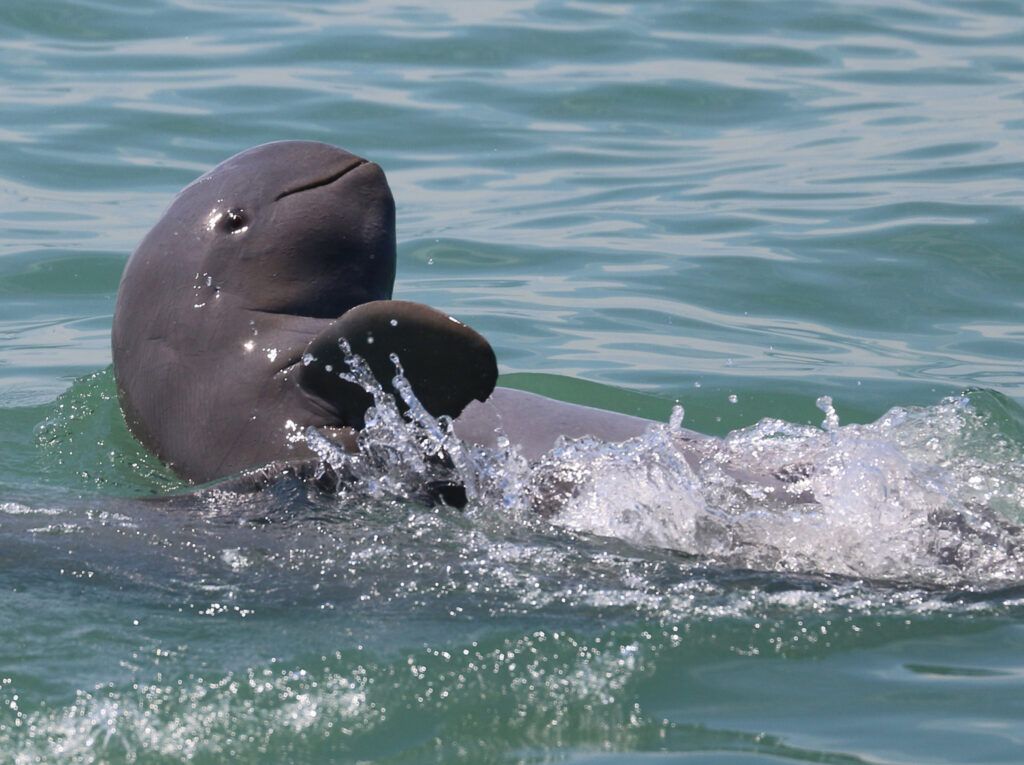
Marine mammals play important ecological roles as both predator and prey, but unfortunately, marine mammals in Malaysia are threatened by over-fishing, by-catch, boat traffic, plastic pollution, and noise pollution.
Painted Dogs
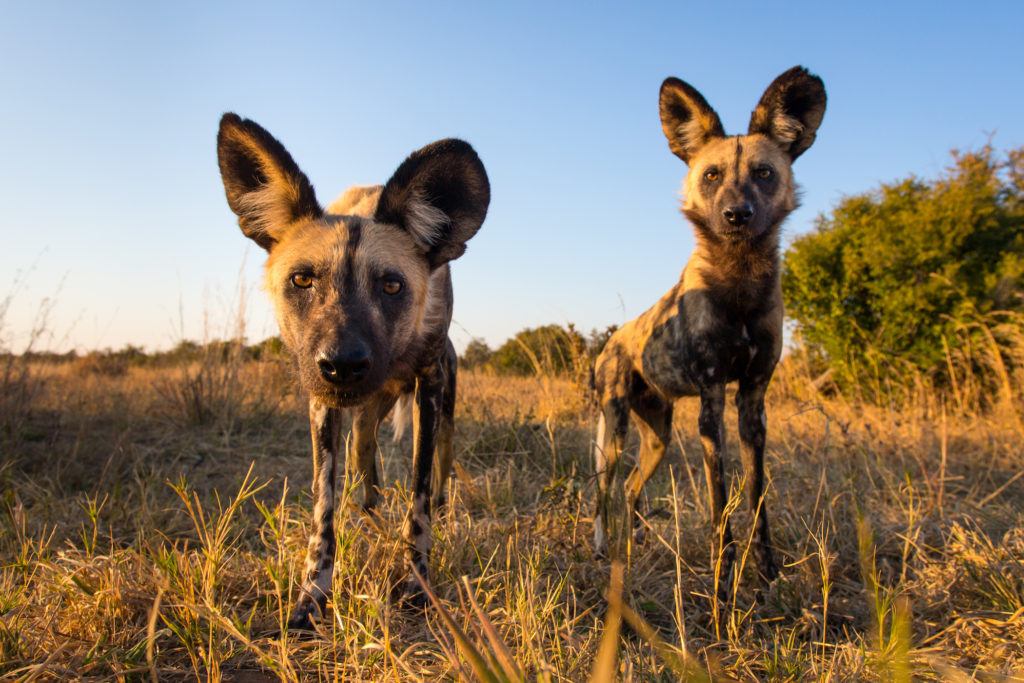
Painted dogs have highly social and complex packs and approximately 100,000 dogs existed in the 1900’s, but now only 7,000 dogs are thought to remain.
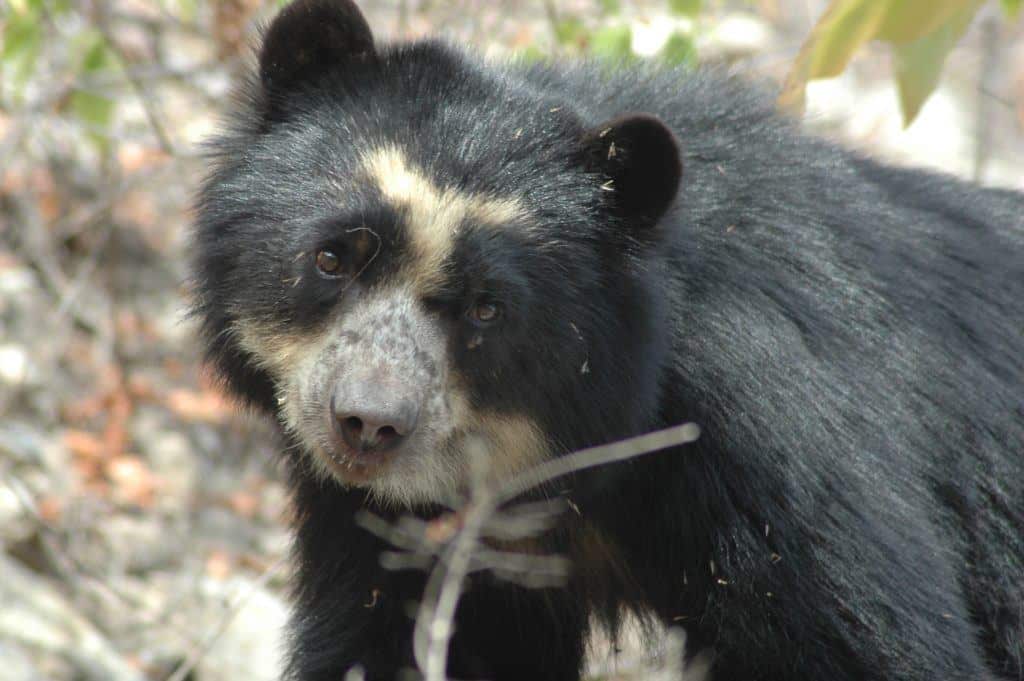
Spectacled Bear
Spectacled bears, also known as Andean bears, are the only bear species in all of South America.
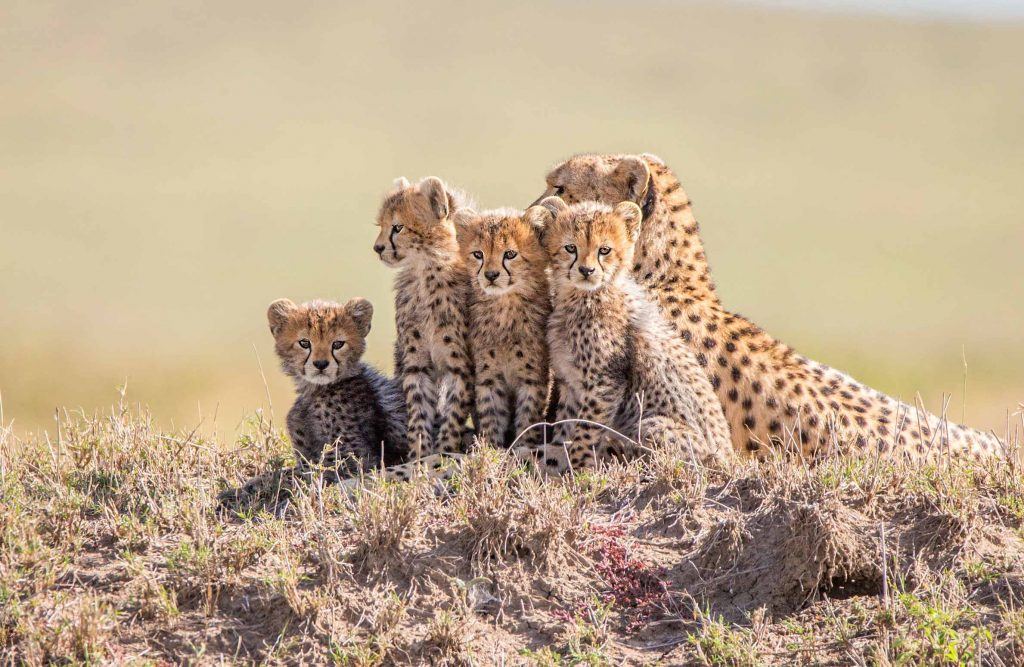
Cheetah—Namibia
Cheetahs are famous for their speed and agility but are also one of Africa’s most endangered big cats.
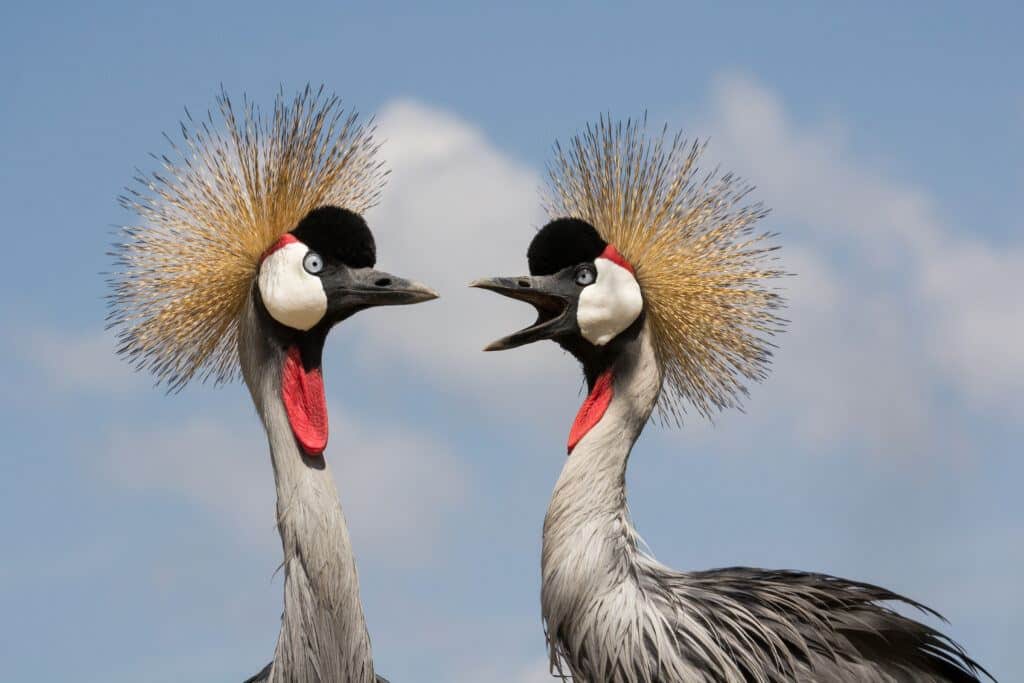
Grey Crowned Cranes
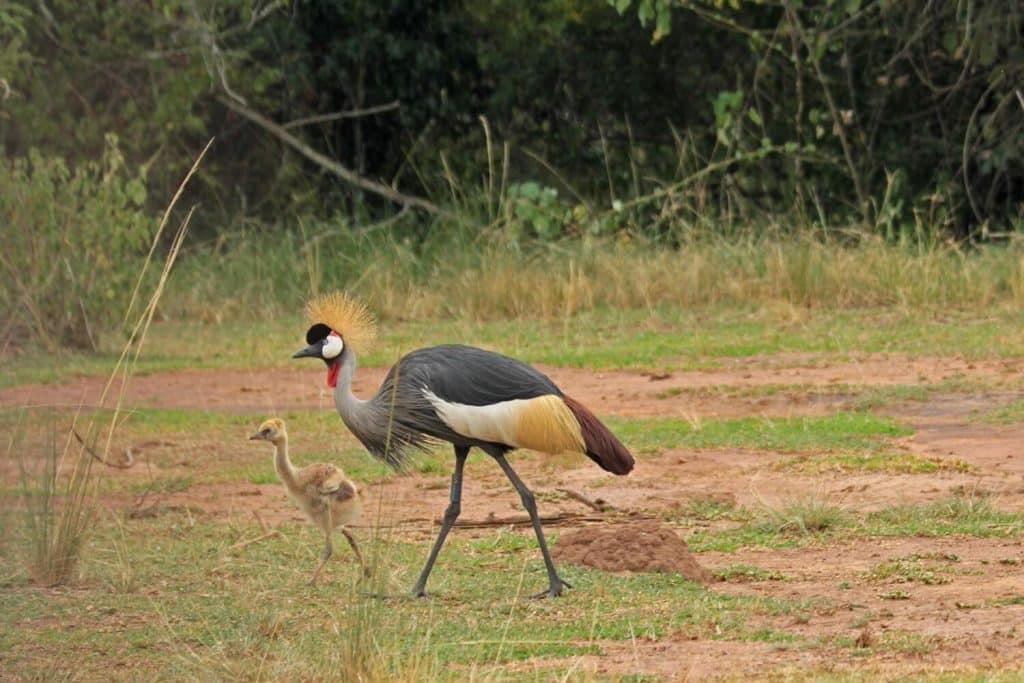
Grey Crowned Cranes are a symbol of longevity, but unfortunately are threatened by habitat loss and the illegal wildlife trade.
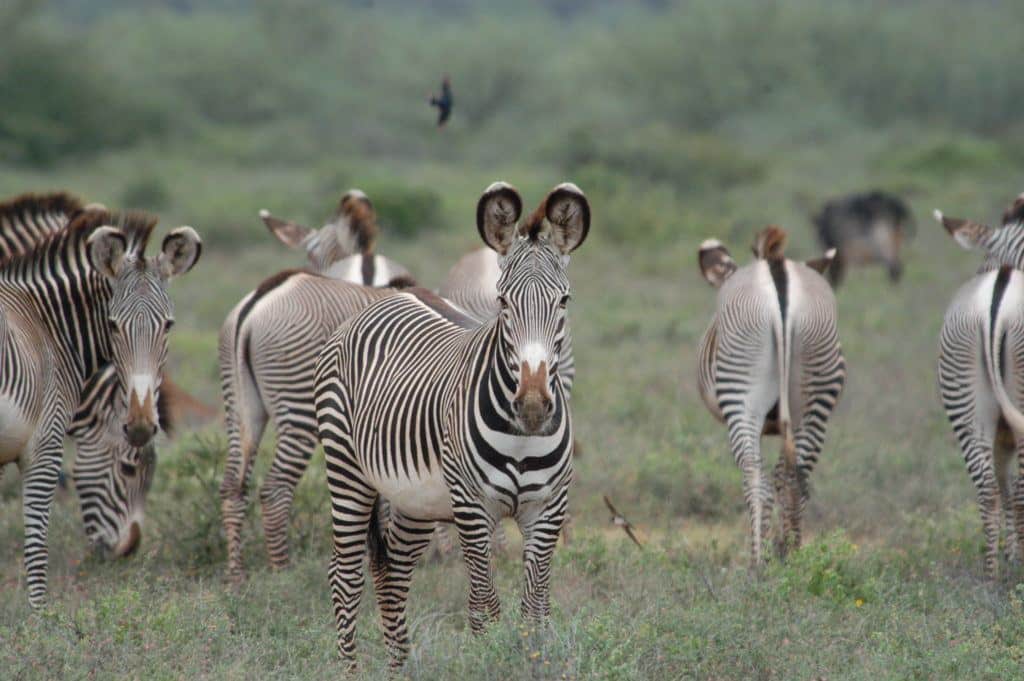
Grevy’s Zebra
Less than 2,500 Grevy’s zebra exist today; these special animals are distinguishable from other zebras by their larger size and round “Mickey Mouse” ears.
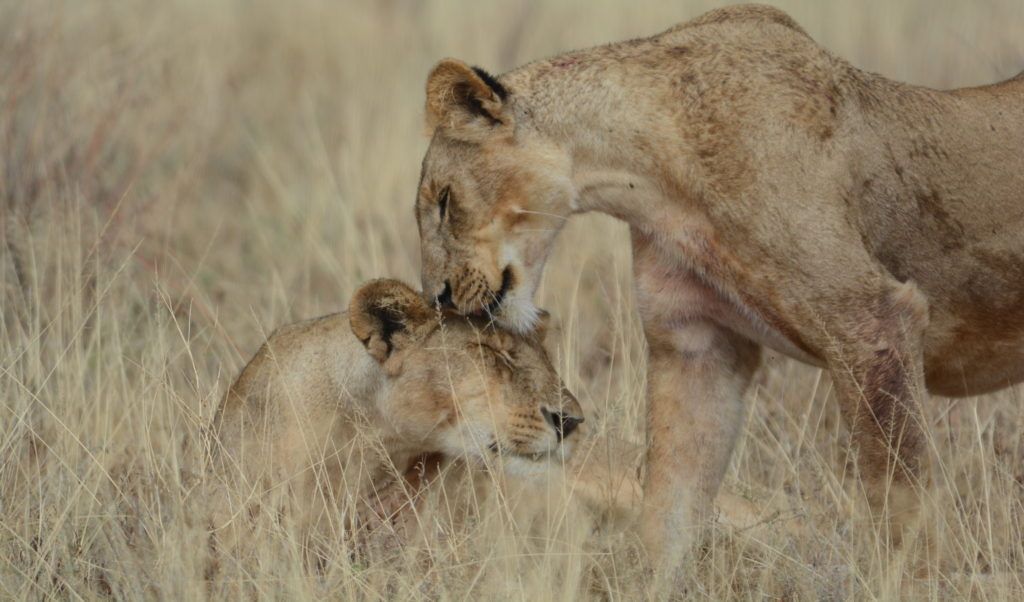
Lion—Ewaso
Kenya is home to less than 2000 lions. In Northern Kenya, outside protected areas, lions and people are learning to coexist.
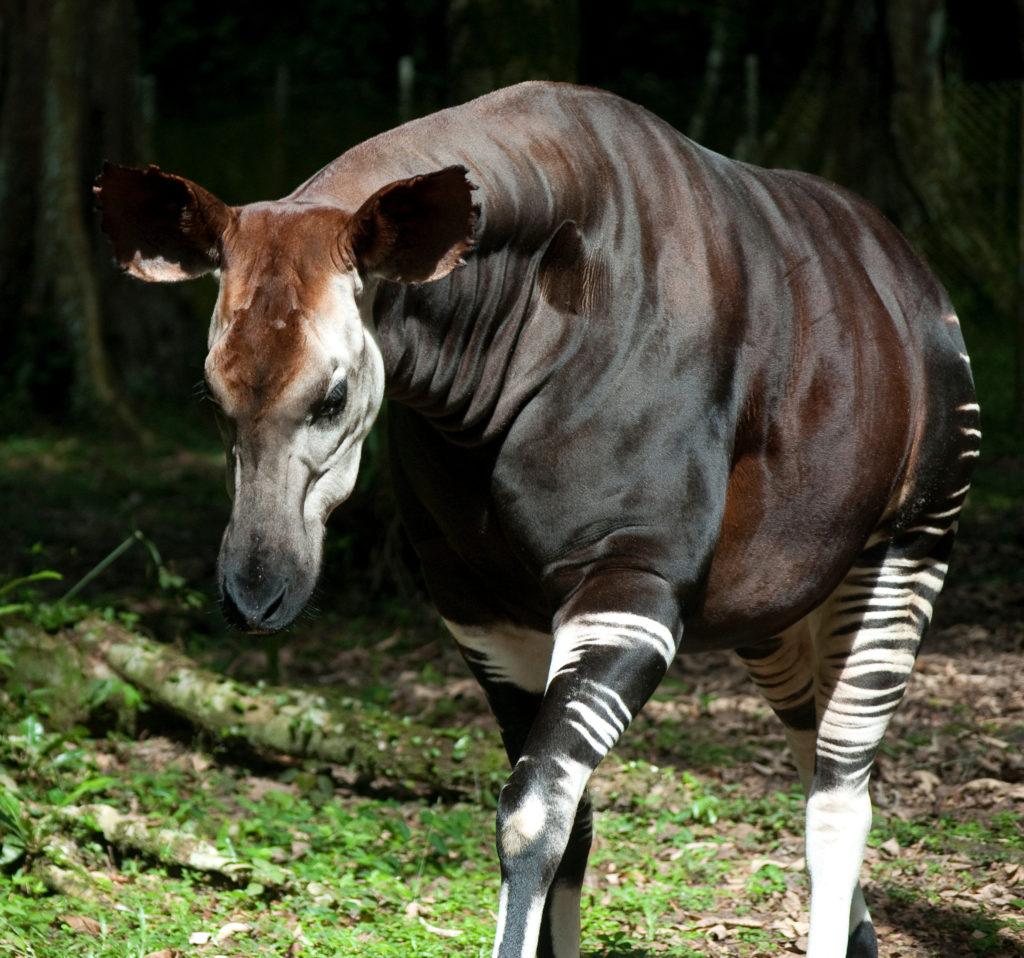
Okapi
The gentle, mysterious okapi live only in the Democratic Republic of Congo, and though they appear to be half-zebra they are actually the closest relative of the giraffe.
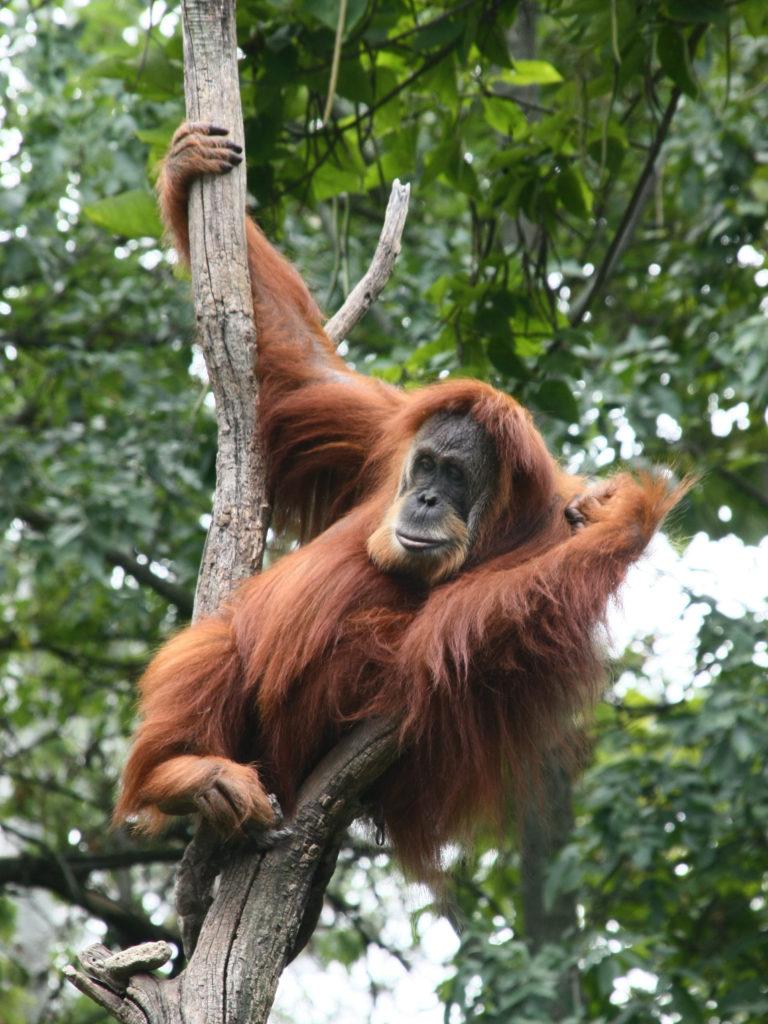
Orangutan
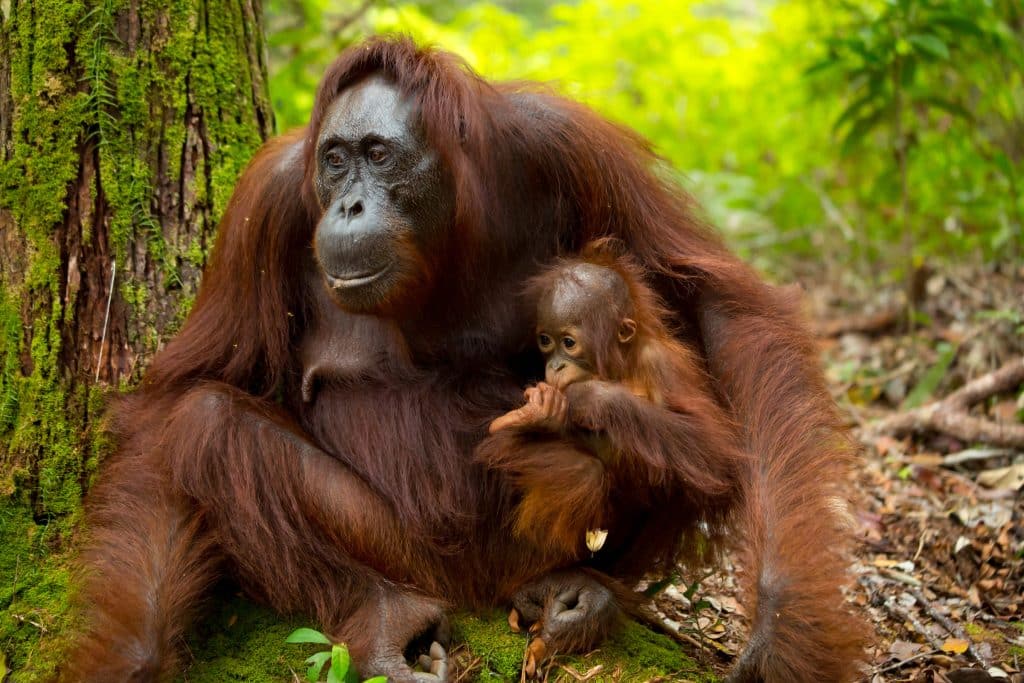
Orangutans play a critical role in keeping forests healthy, but are Critically Endangered due to habitat loss and their low reproductive rate.
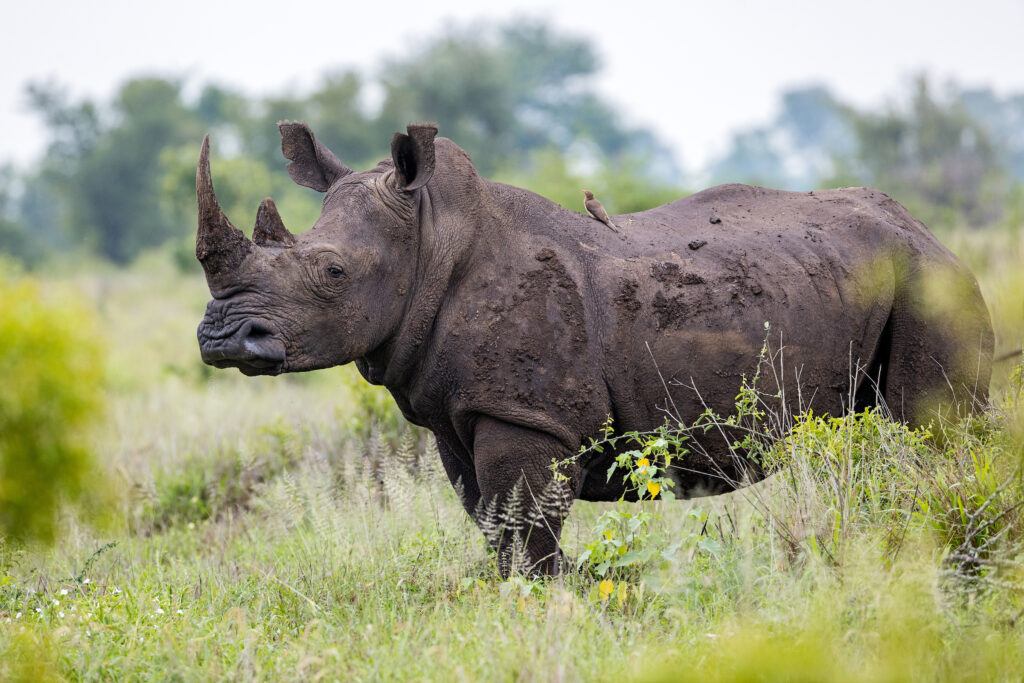
Rhinos
Today, fewer than 26,000 rhinos remain in Africa and Asia. Poaching for their horns and habitat loss continuously threaten the future of these distinctive giants.