

Supporting WCN's Emergency Fund helps conservationists weather economic crises.
Learn More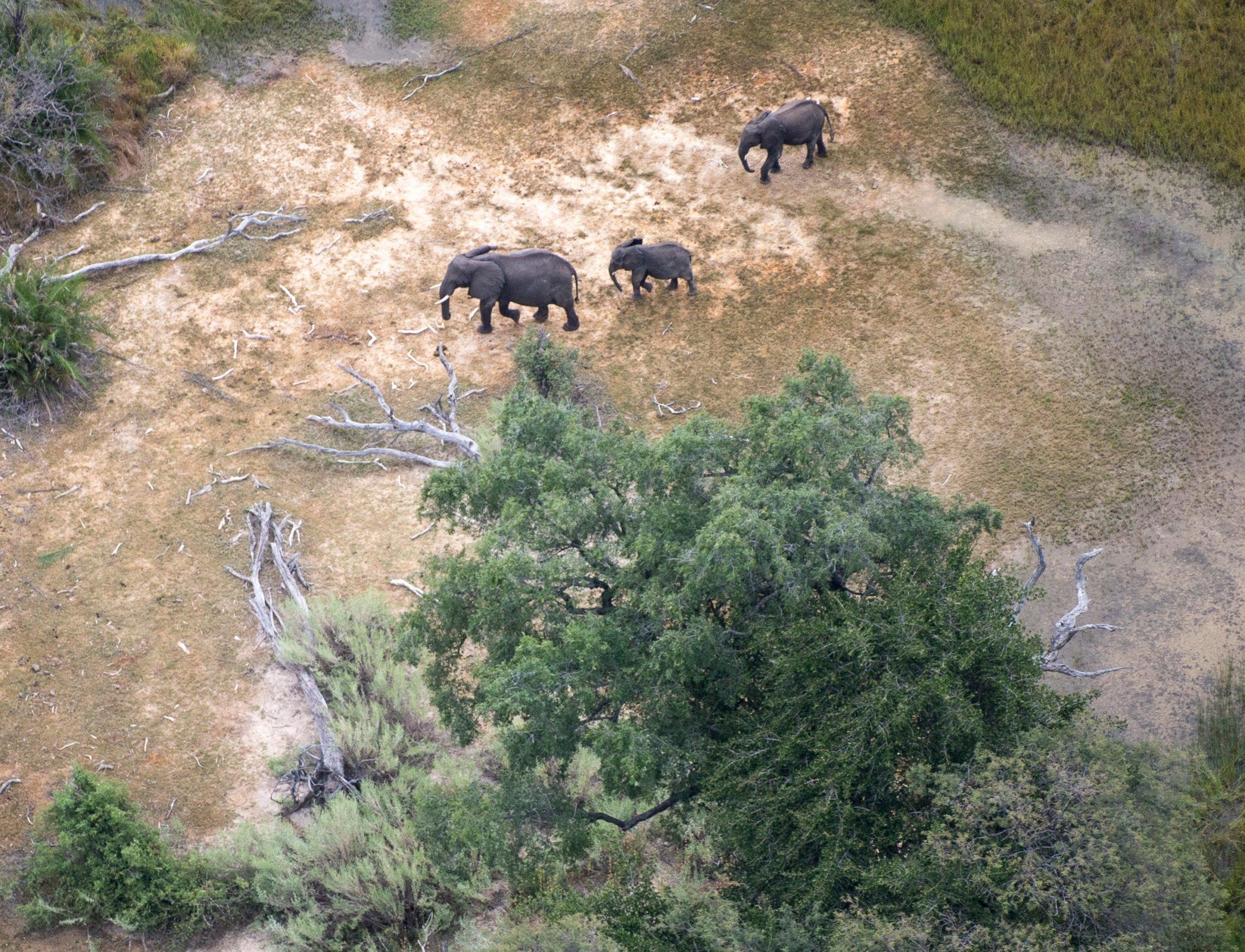
Our Strategies
To ensure people and wildlife can coexist and thrive, WCN employs three core strategies—supporting the most effective Conservation Partners with the funding and resources they need to protect wildlife, creating Wildlife Funds that provide flexible grants to a wide range of organizations that protect a specific species across its entire range, and investing in the education and career growth of Rising Wildlife Leaders.Conservation Partners
We find the best entrepreneurial organizations and invite them to receive in-depth, ongoing support by joining our Network of Conservation Partners. We provide our Partners with the financial resources, tools, and services they need to effectively protect wildlife. Conservationists in our Network work within local communities to find solutions that address the needs of both wildlife and people.
Learn MoreWildlife Funds
We establish Wildlife Funds when we see a need and an opportunity to protect threatened wildlife across a larger landscape. By providing specific, short-term funding to projects from institutions big and small, we harness the power of multiple organizations working to save a species throughout its entire habitat. 100% of donations to WCN'S Wildlife Funds go directly to the field, with zero overhead.
Learn MoreRising Wildlife Leaders
Conservation thrives when local conservationists have the support they need to protect wildlife. We invest in these brave women and men to strengthen their skills, build their organizations, and advance their careers in conservation. Through scholarships and grants, we provide support to the local people who are shaping conservation in their home countries, ensuring we have a greater and more sustainable impact for wildlife.
Learn MoreOur Strategies
To ensure people and wildlife can coexist and thrive, WCN employs three core strategies—supporting the most effective Conservation Partners with the funding and resources they need to protect wildlife, creating Wildlife Funds that provide flexible grants to a wide range of organizations that protect a specific species across its entire range, and investing in the education and career growth of Rising Wildlife Leaders.Conservation Partners
We find the best entrepreneurial organizations and invite them to receive in-depth, ongoing support by joining our Network of Conservation Partners. We provide our Partners with the financial resources, tools, and services they need to effectively protect wildlife. Conservationists in our Network work within local communities to find solutions that address the needs of both wildlife and people.
Wildlife Funds
We establish Wildlife Funds when we see a need and an opportunity to protect threatened wildlife across a larger landscape. By providing specific, short-term funding to projects from institutions big and small, we harness the power of multiple organizations working to save a species throughout its entire habitat. 100% of donations to WCN'S Wildlife Funds go directly to the field, with zero overhead.
Rising Wildlife Leaders
Conservation thrives when local conservationists have the support they need to protect wildlife. We invest in these brave women and men to strengthen their skills, build their organizations, and advance their careers in conservation. Through scholarships and grants, we provide support to the local people who are shaping conservation in their home countries, ensuring we have a greater and more sustainable impact for wildlife.
Cotton-Top Tamarin
The tiny cotton-top, which weighs less than a pound, are found only in northwestern Colombia and are one of the most endangered primates in the world.
Orangutan
Orangutans play a critical role in keeping forests healthy, but are Critically Endangered due to habitat loss and their low reproductive rate.
Rhinos
Today, fewer than 26,000 rhinos remain in Africa and Asia. Poaching for their horns and habitat loss continuously threaten the future of these distinctive giants.
Elephant
Elephants are among the world’s most intelligent, sensitive and social animals, possessing both empathy and family values.
Grey Crowned Cranes
Grey Crowned Cranes are a symbol of longevity, but unfortunately are threatened by habitat loss and the illegal wildlife trade.
Small Wild Cats
Most people are familiar with big cats, but few could name the 33 species of small wild cats living all around the world.
Gorillas
Gorillas are strong and social beings, yet they face threats from habitat degradation and disease transmission.
Cheetah—Botswana
Botswana provides a home for approximately 30% of the earth’s remaining 7,100 cheetahs, it is the only country where their population remains stable.
Okapi
The gentle, mysterious okapi live only in the Democratic Republic of Congo, and though they appear to be half-zebra they are actually the closest relative of the giraffe.
Pangolins
Pangolins have the unfortunate distinction of being the most illegally trafficked wild mammal in the world. All eight species of pangolins are threatened with extinction.
Saiga Antelope
The saiga antelope has been around since the Ice Age and once numbered in the millions; today only 40,000 survive.
Dolphins and Dugongs
Marine mammals play important ecological roles as both predator and prey, but unfortunately, marine mammals in Malaysia are threatened by over-fishing, by-catch, boat traffic, plastic pollution, and noise pollution.
Sharks and Rays
Sharks and rays are essential for healthy oceans, but are vulnerable to human threats like pollution, climate change, and overfishing.
Lion—Niassa
Niassa National Reserve in Mozambique is one of the last great wild places on Earth and one of the important remaining strongholds for the African lion.
Andean Cats
The Andean cat is one of the rarest and least known cats in the world; fewer than 1,400 exist in the mountains of South America.
Macaws
Macaws are renowned for their beauty, intelligence, and charisma, yet due to their slow reproductive rate very few remain in the wild.
Grevy’s Zebra
Less than 2,500 Grevy’s zebra exist today; these special animals are distinguishable from other zebras by their larger size and round “Mickey Mouse” ears.
Penguins
There are 18 different penguin species living throughout the Southern Hemisphere, 55% of which are listed as threatened.
Snow Leopard
The strikingly beautiful but endangered snow leopard remains one of the world’s most mysterious and rarely seen cats.
Cheetah—Namibia
Cheetahs are famous for their speed and agility but are also one of Africa’s most endangered big cats.
Lion—Ewaso
Kenya is home to less than 2000 lions. In Northern Kenya, outside protected areas, lions and people are learning to coexist.
Painted Dogs
Painted dogs have highly social and complex packs and approximately 100,000 dogs existed in the 1900’s, but now only 7,000 dogs are thought to remain.
Spectacled Bear
Spectacled bears, also known as Andean bears, are the only bear species in all of South America.
Ethiopian Wolf
The Ethiopian wolf is the rarest and most endangered canid in the world.
Lion—Ewaso
Painted Dogs
Spectacled Bear
Ethiopian Wolf
Cotton-Top Tamarin
Orangutan
Rhinos
Elephant
Grey Crowned Cranes
Small Wild Cats
Gorillas
Cheetah—Botswana
Okapi
Pangolins
Saiga Antelope
Dolphins and Dugongs
Sharks and Rays
Lion—Niassa
Andean Cats
Macaws
Grevy’s Zebra
Penguins
Snow Leopard
Cheetah—Namibia
Lion—Ewaso
Painted Dogs
Spectacled Bear
Ethiopian Wolf
Cotton-Top Tamarin
Orangutan
Rhinos
Elephant
Grey Crowned Cranes
Small Wild Cats
Gorillas
Cheetah—Botswana
Okapi
Pangolins
Saiga Antelope
Dolphins and Dugongs
Sharks and Rays
Lion—Niassa
Andean Cats
Macaws
Grevy’s Zebra
Penguins
Snow Leopard
Cheetah—Namibia
Lion—Ewaso
Painted Dogs
Spectacled Bear
Ethiopian Wolf
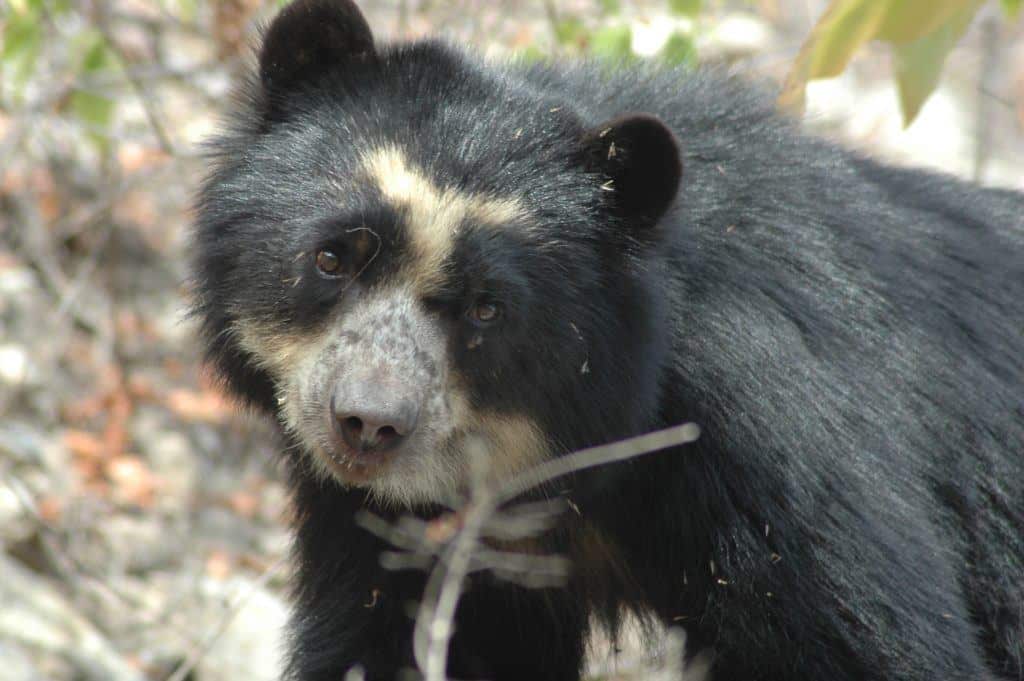
Spectacled Bear
Spectacled bears, also known as Andean bears, are the only bear species in all of South America.
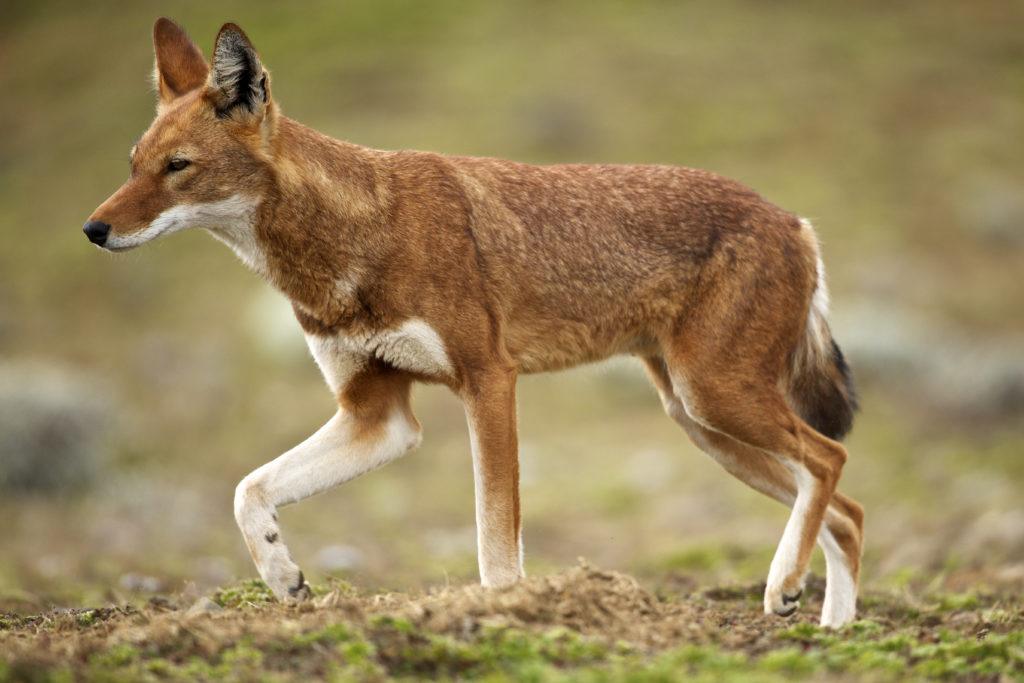
Ethiopian Wolf
The Ethiopian wolf is the rarest and most endangered canid in the world.
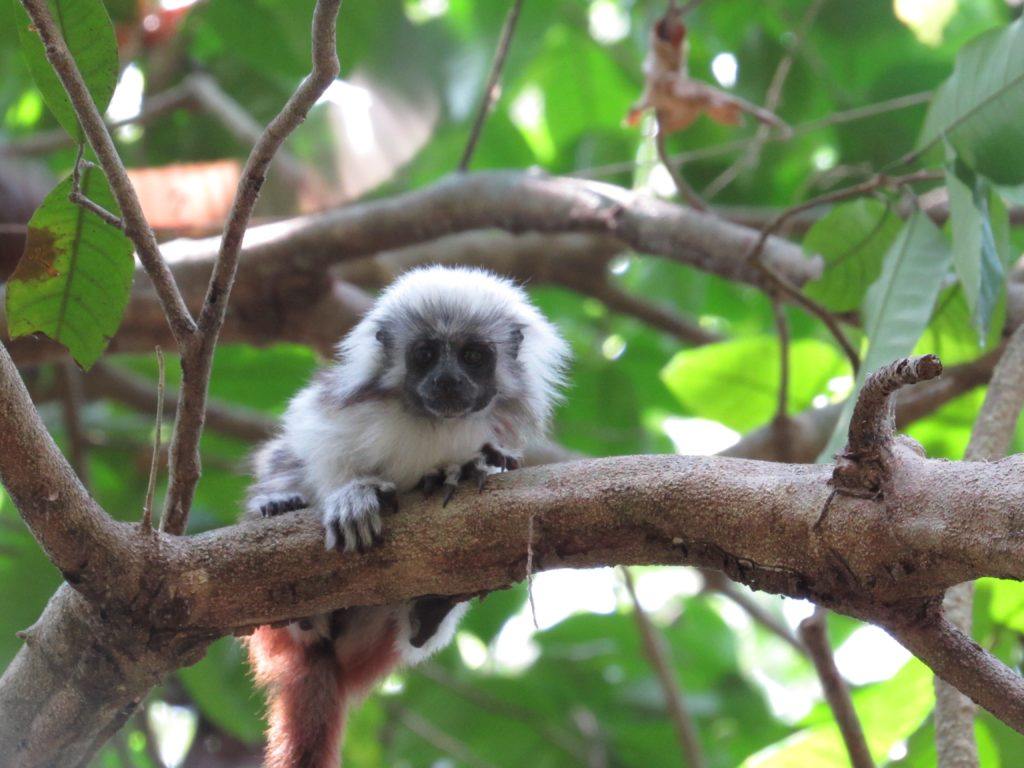
Cotton-Top Tamarin
The tiny cotton-top, which weighs less than a pound, are found only in northwestern Colombia and are one of the most endangered primates in the world.
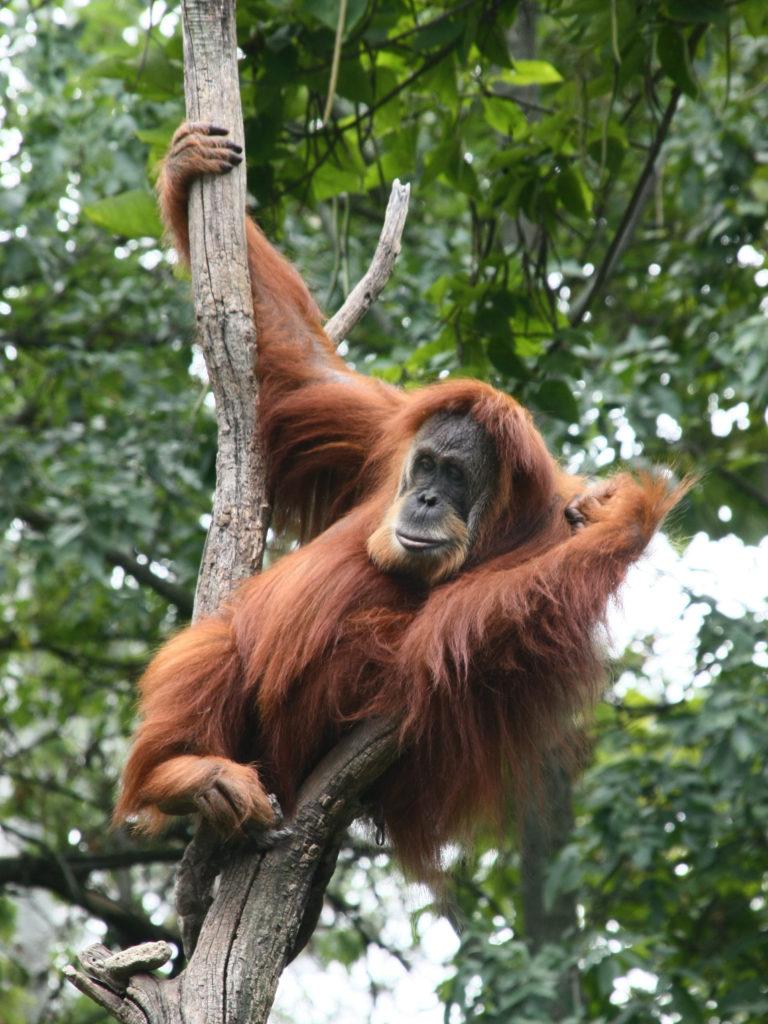
Orangutan
Orangutans play a critical role in keeping forests healthy, but are Critically Endangered due to habitat loss and their low reproductive rate.
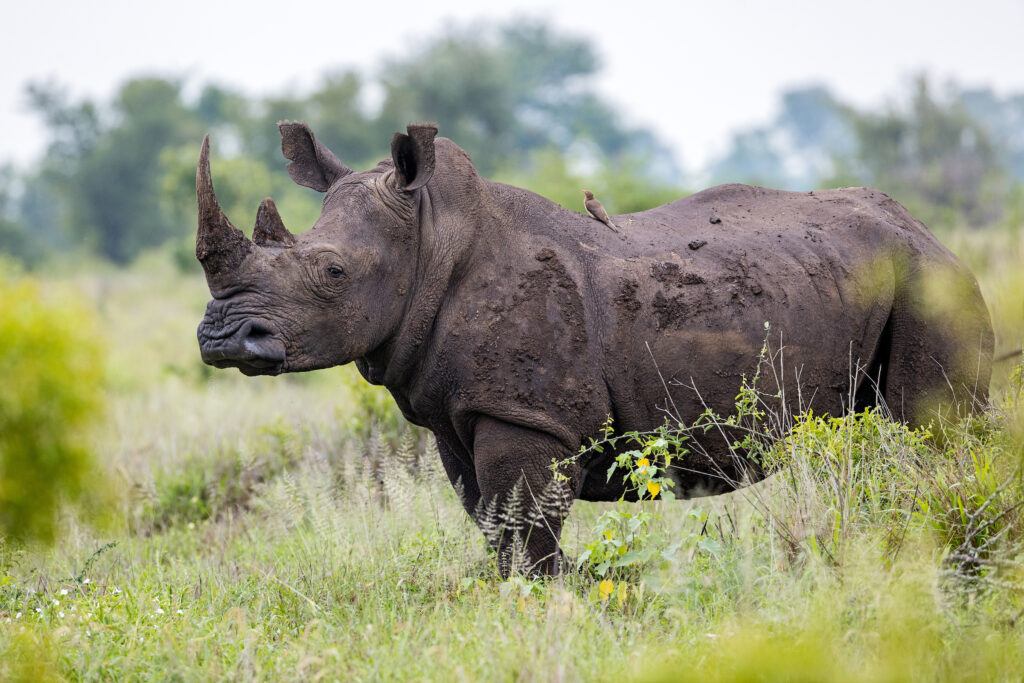
Rhinos
Today, fewer than 26,000 rhinos remain in Africa and Asia. Poaching for their horns and habitat loss continuously threaten the future of these distinctive giants.
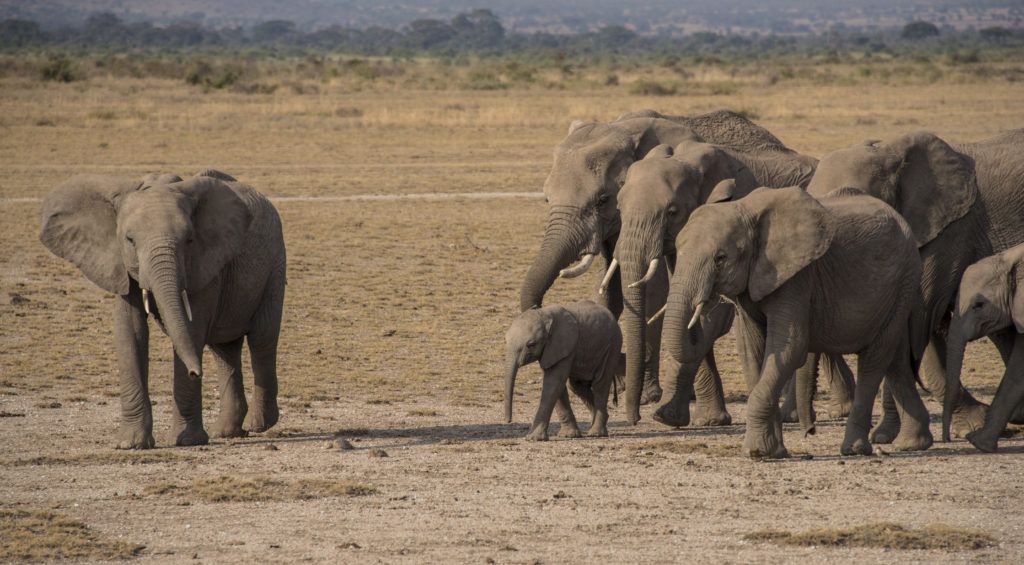
Elephant
Elephants are among the world’s most intelligent, sensitive and social animals, possessing both empathy and family values.
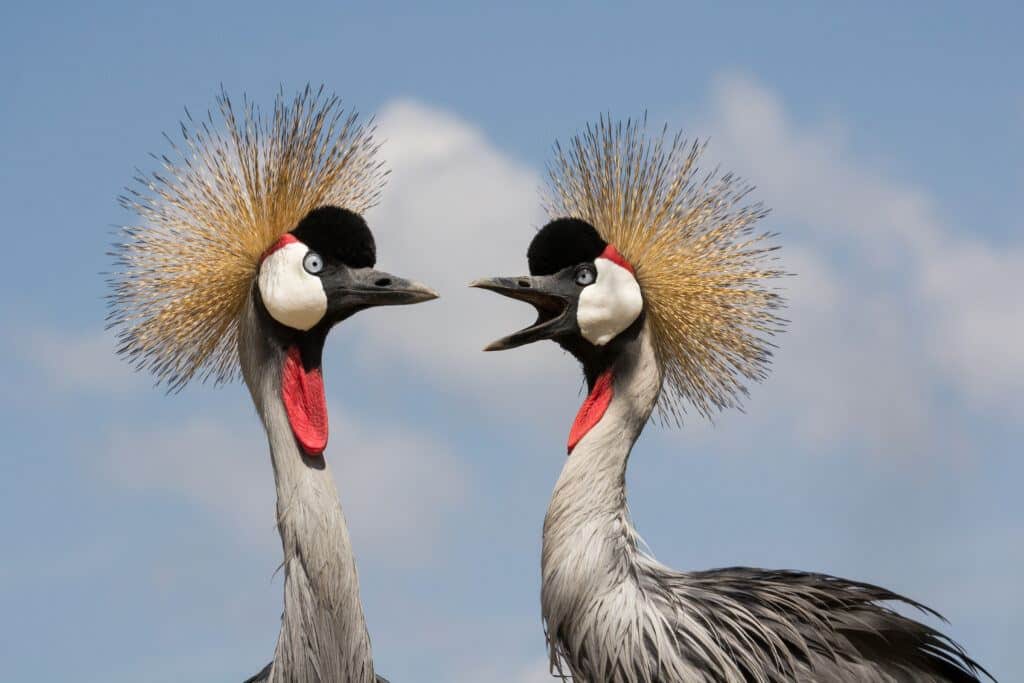
Grey Crowned Cranes
Grey Crowned Cranes are a symbol of longevity, but unfortunately are threatened by habitat loss and the illegal wildlife trade.
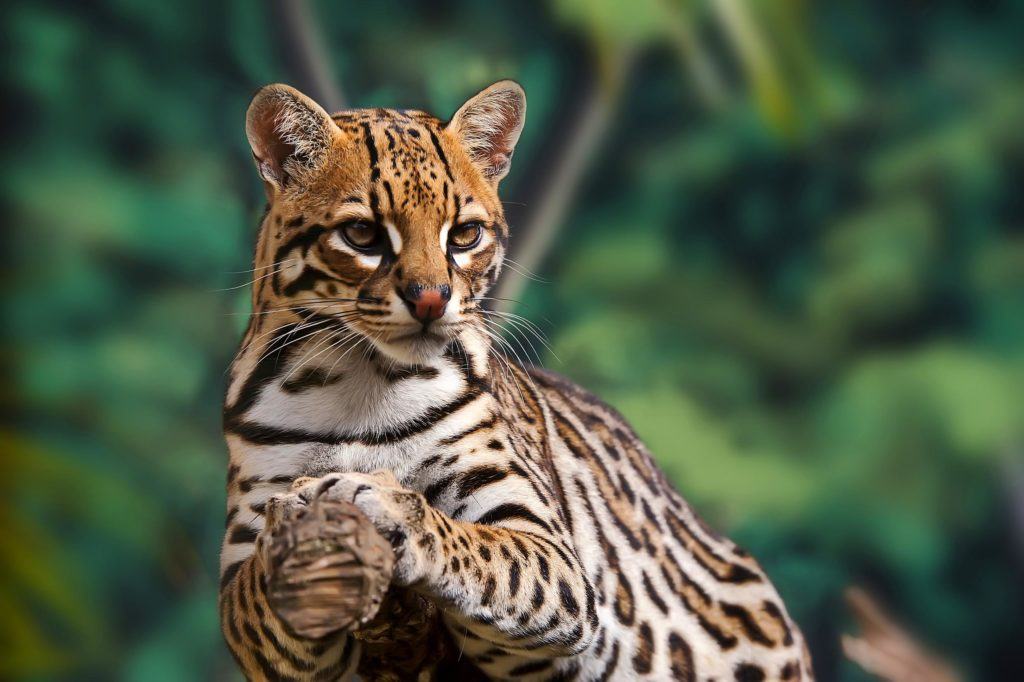
Small Wild Cats
Most people are familiar with big cats, but few could name the 33 species of small wild cats living all around the world.
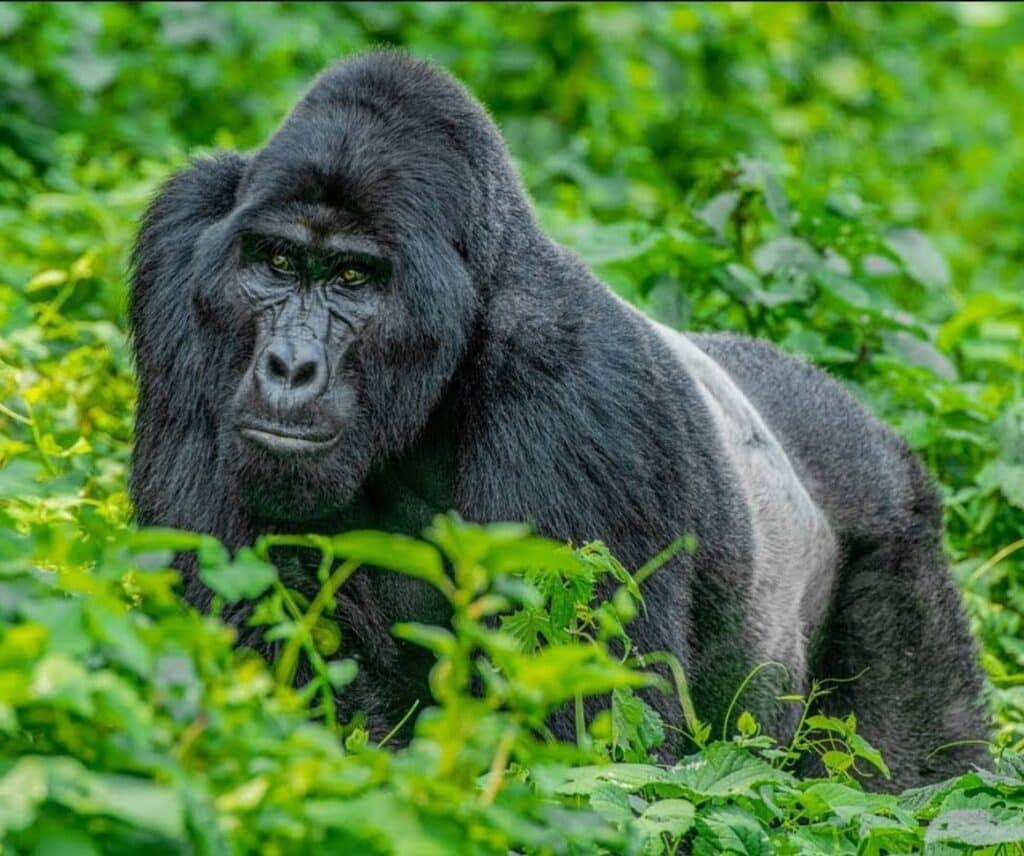
Gorillas
Gorillas are strong and social beings, yet they face threats from habitat degradation and disease transmission.
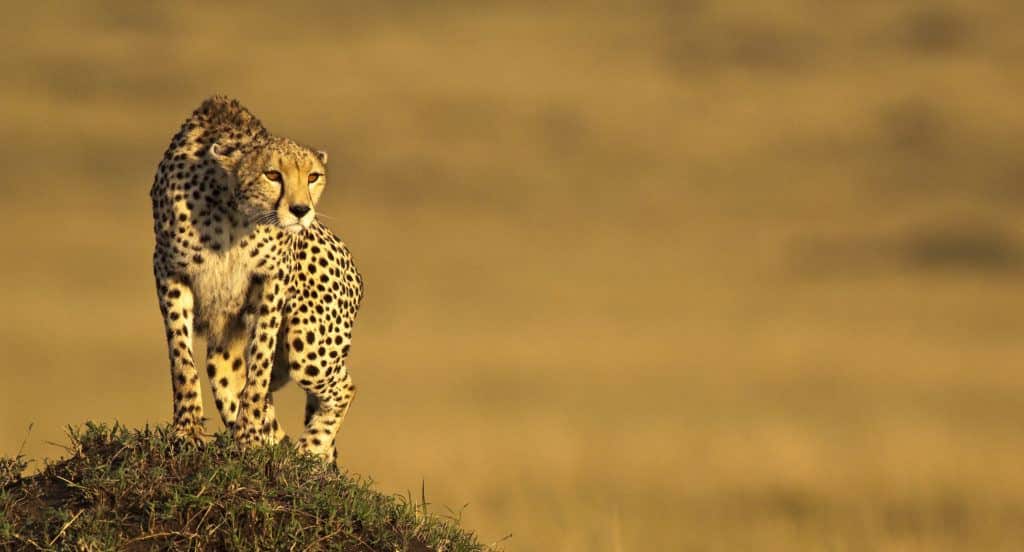
Cheetah—Botswana
Botswana provides a home for approximately 30% of the earth’s remaining 7,100 cheetahs, it is the only country where their population remains stable.
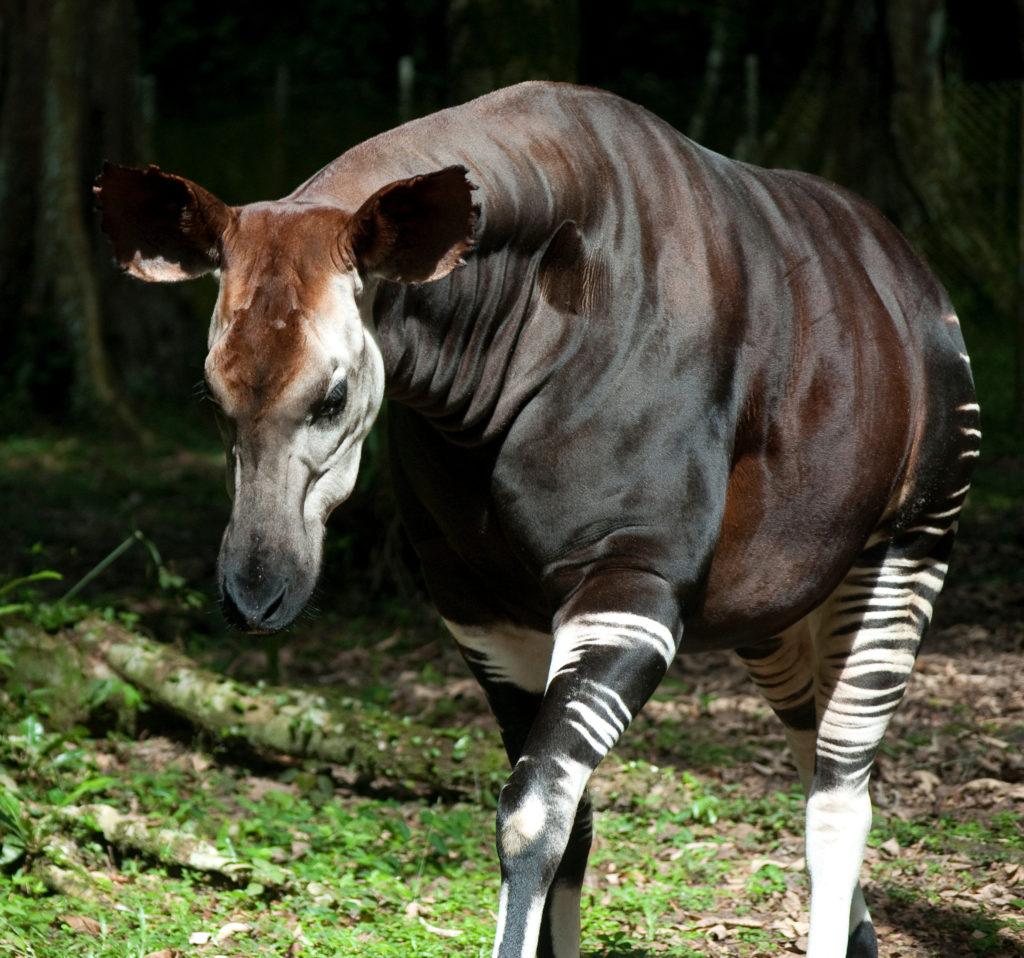
Okapi
The gentle, mysterious okapi live only in the Democratic Republic of Congo, and though they appear to be half-zebra they are actually the closest relative of the giraffe.
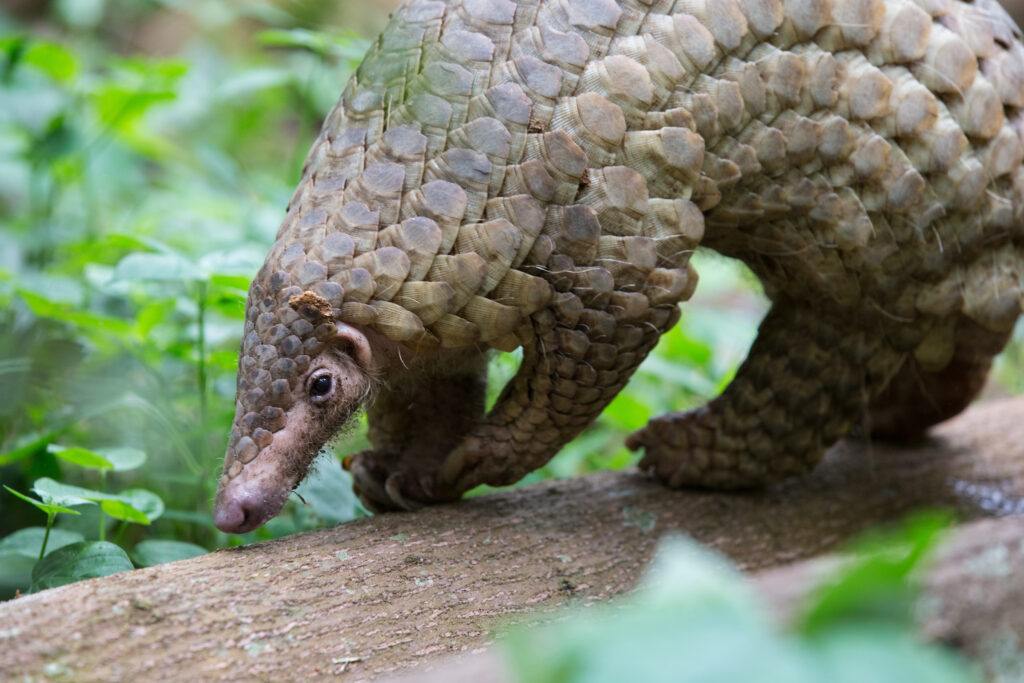
Pangolins
Pangolins have the unfortunate distinction of being the most illegally trafficked wild mammal in the world. All eight species of pangolins are threatened with extinction.
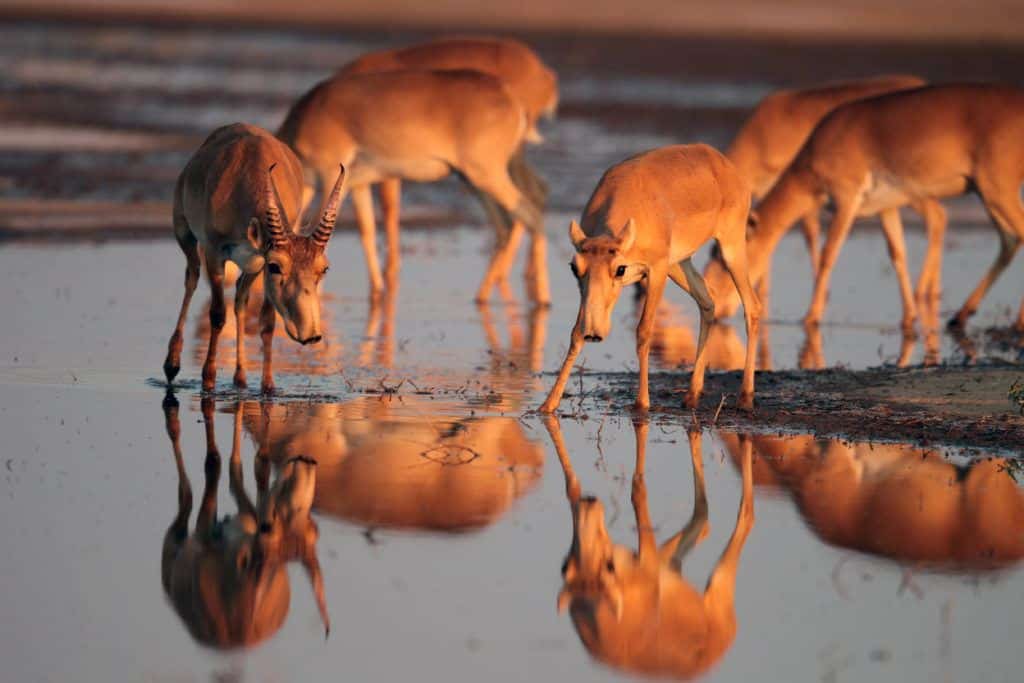
Saiga Antelope
The saiga antelope has been around since the Ice Age and once numbered in the millions; today only 40,000 survive.
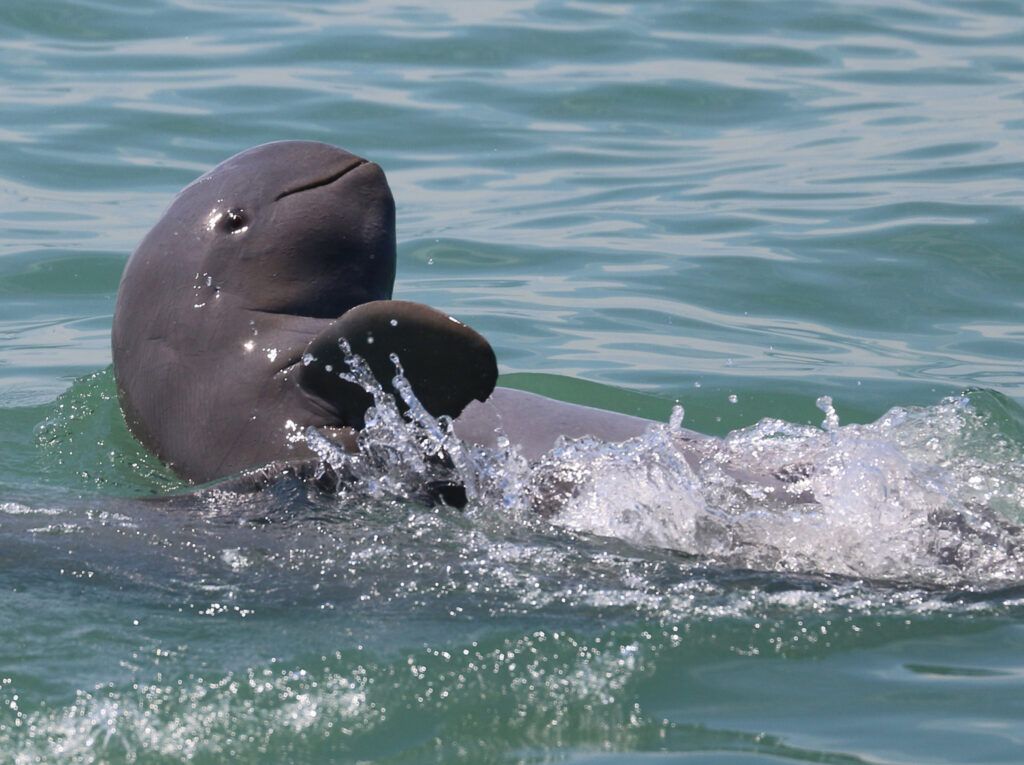
Dolphins and Dugongs
Marine mammals play important ecological roles as both predator and prey, but unfortunately, marine mammals in Malaysia are threatened by over-fishing, by-catch, boat traffic, plastic pollution, and noise pollution.
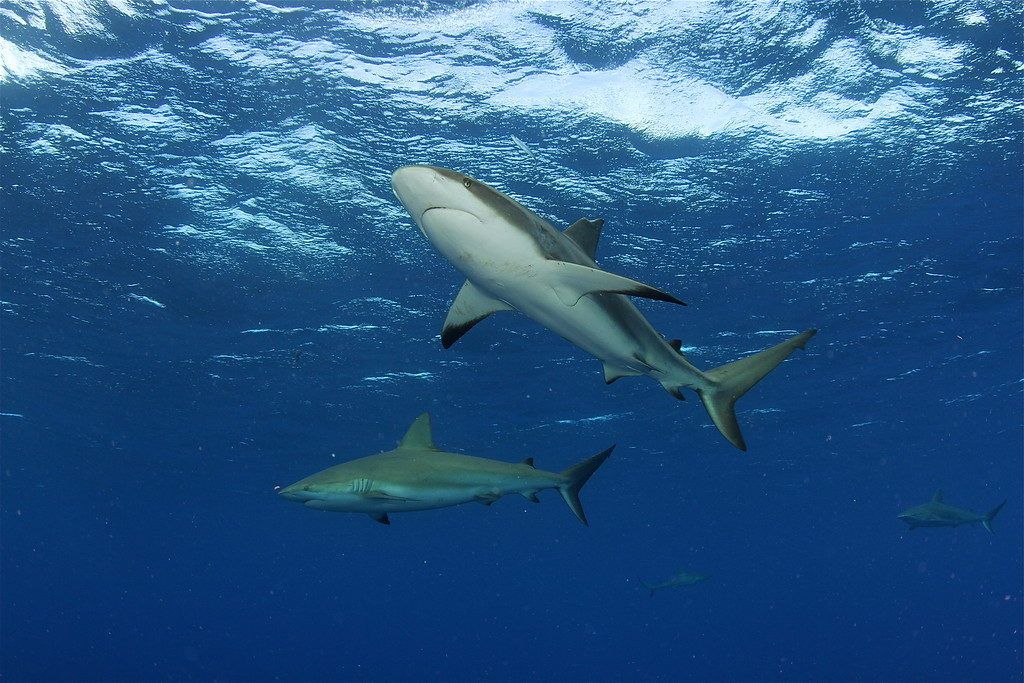
Sharks and Rays
Sharks and rays are essential for healthy oceans, but are vulnerable to human threats like pollution, climate change, and overfishing.
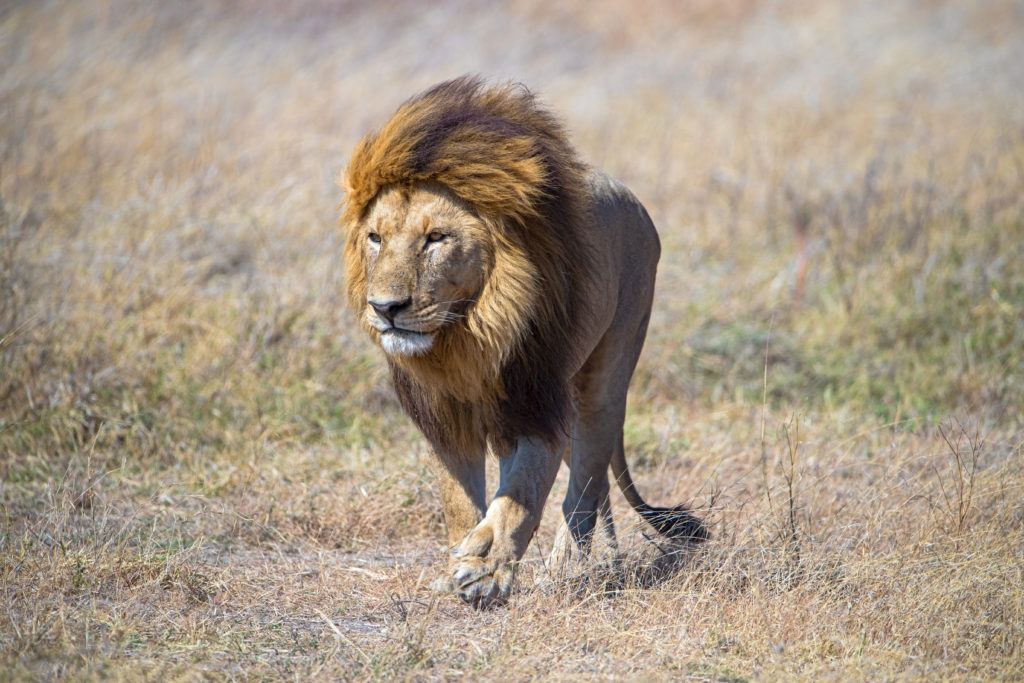
Lion—Niassa
Niassa National Reserve in Mozambique is one of the last great wild places on Earth and one of the important remaining strongholds for the African lion.
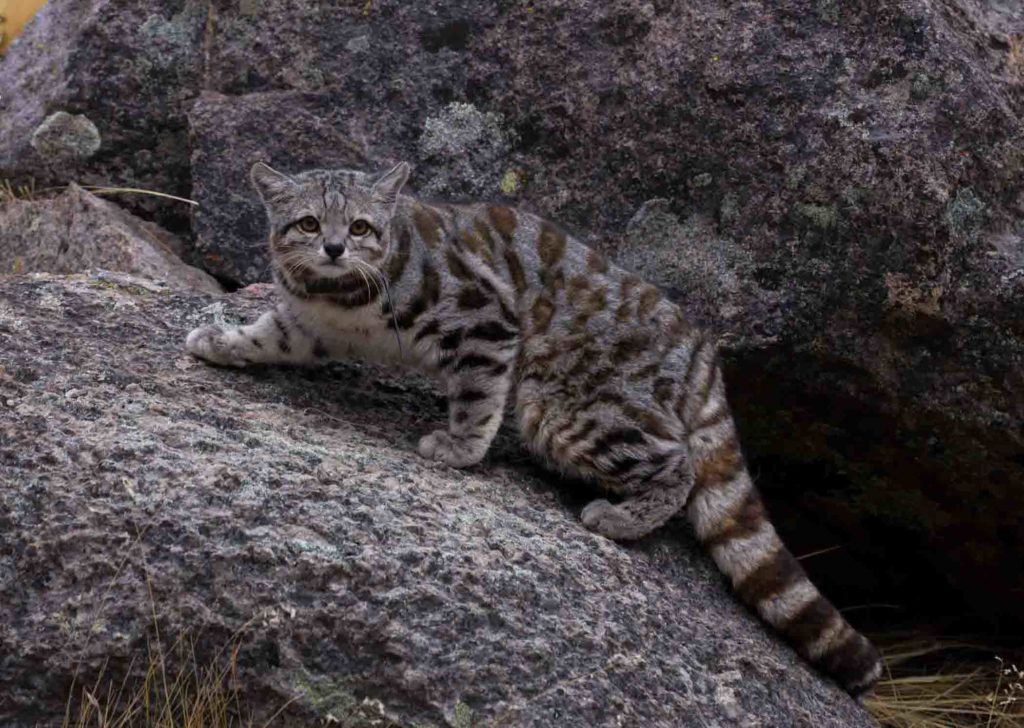
Andean Cats
The Andean cat is one of the rarest and least known cats in the world; fewer than 1,400 exist in the mountains of South America.
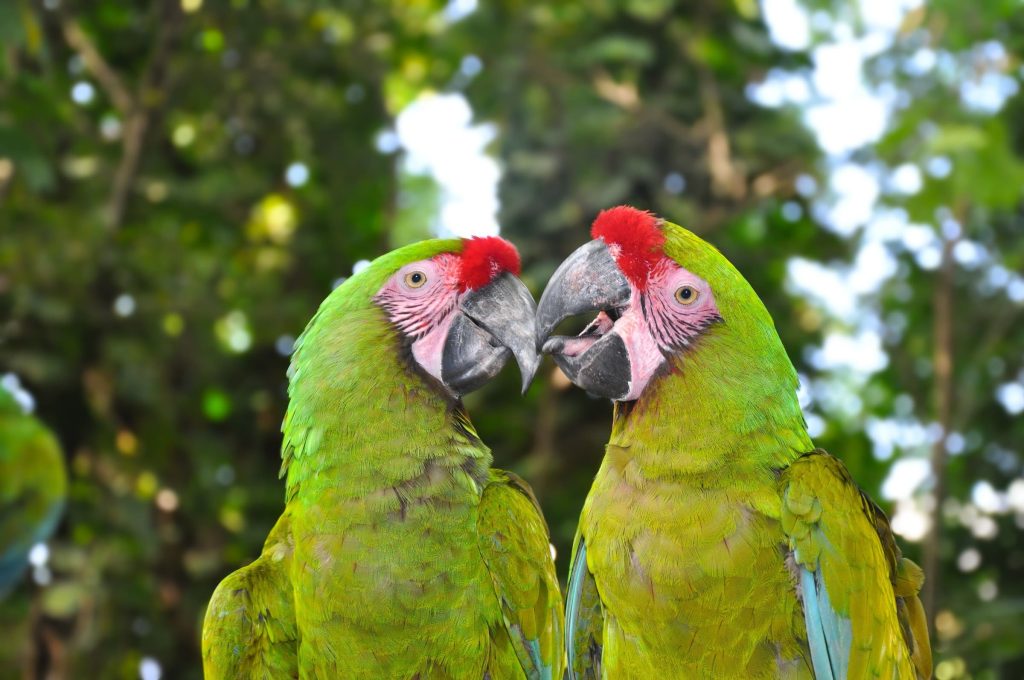
Macaws
Macaws are renowned for their beauty, intelligence, and charisma, yet due to their slow reproductive rate very few remain in the wild.
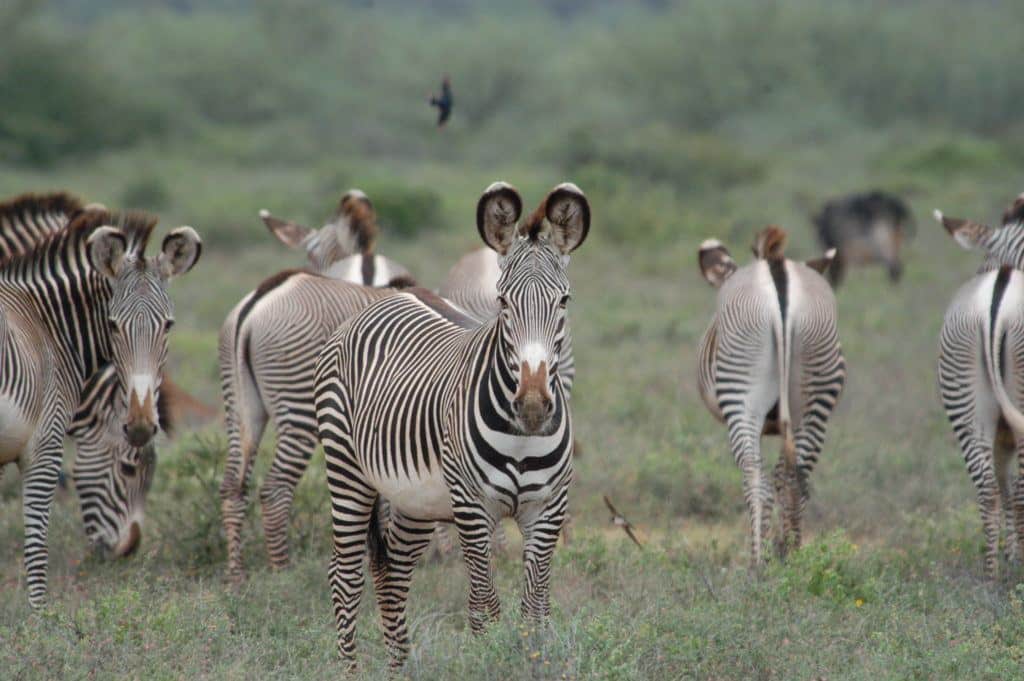
Grevy’s Zebra
Less than 2,500 Grevy’s zebra exist today; these special animals are distinguishable from other zebras by their larger size and round “Mickey Mouse” ears.
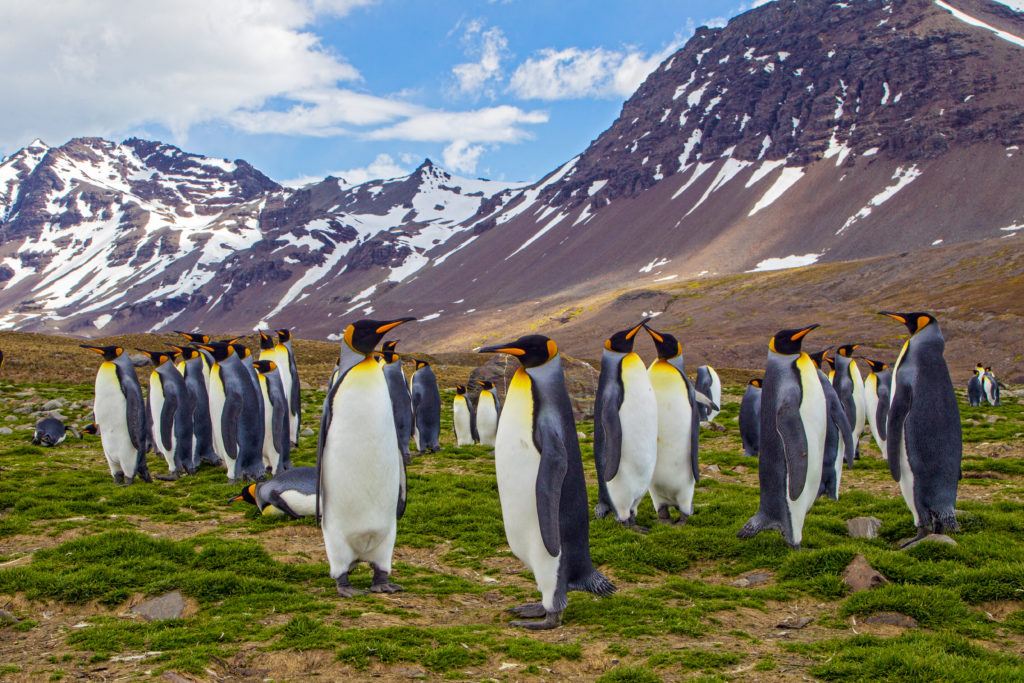
Penguins
There are 18 different penguin species living throughout the Southern Hemisphere, 55% of which are listed as threatened.
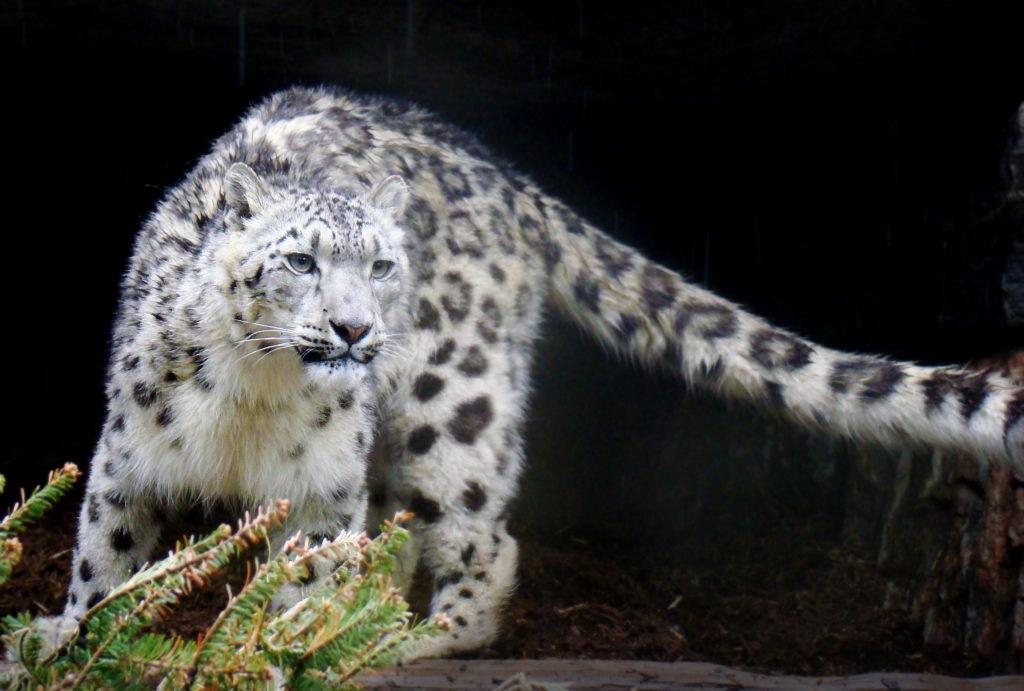
Snow Leopard
The strikingly beautiful but endangered snow leopard remains one of the world’s most mysterious and rarely seen cats.
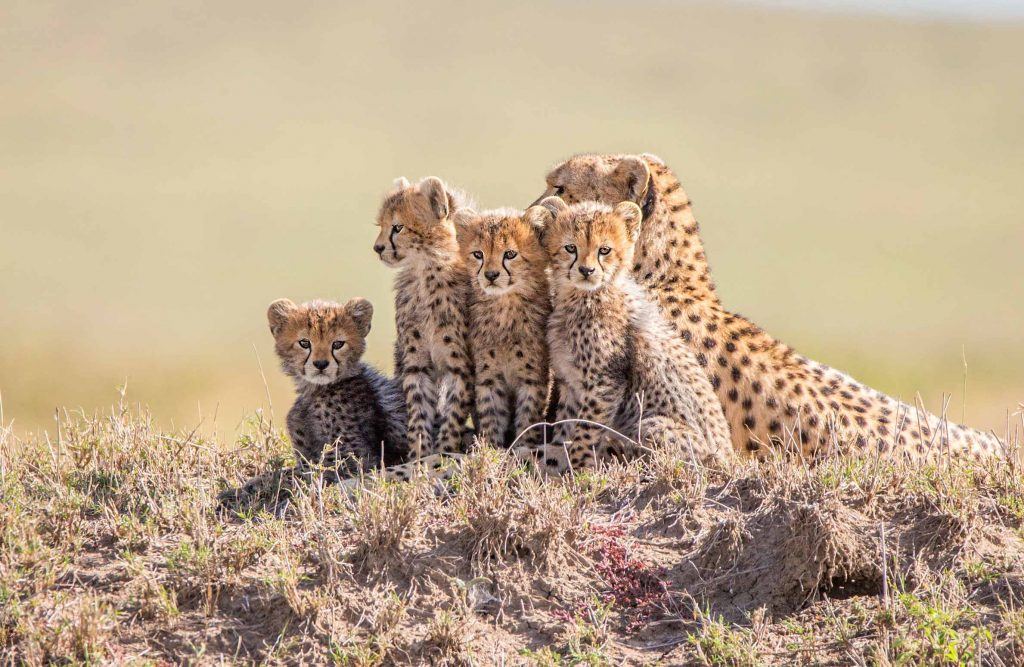
Cheetah—Namibia
Cheetahs are famous for their speed and agility but are also one of Africa’s most endangered big cats.
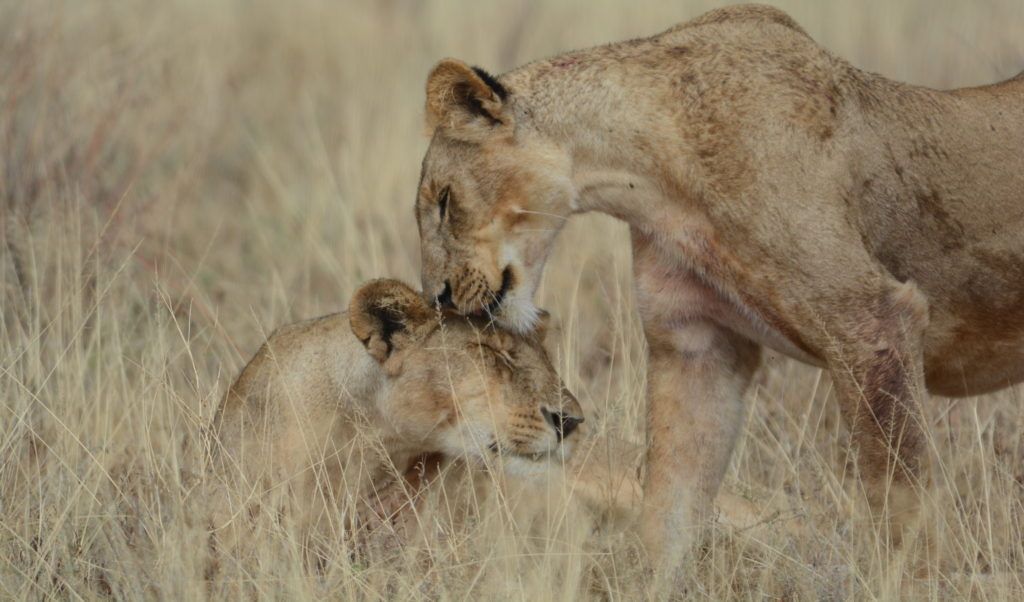
Lion—Ewaso
Kenya is home to less than 2000 lions. In Northern Kenya, outside protected areas, lions and people are learning to coexist.
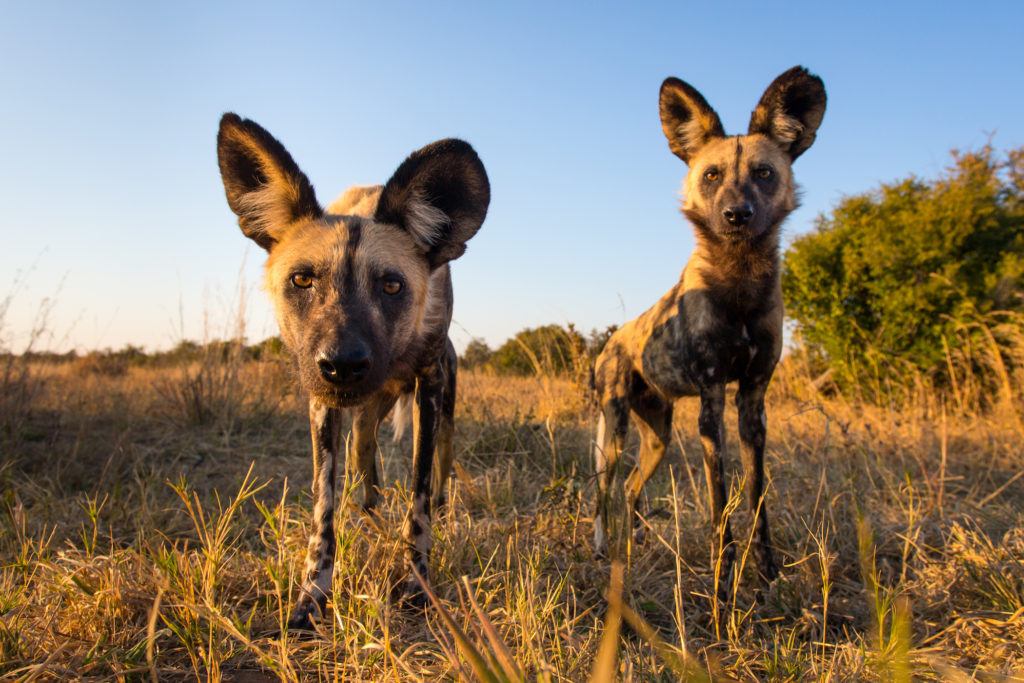
Painted Dogs
Painted dogs have highly social and complex packs and approximately 100,000 dogs existed in the 1900’s, but now only 7,000 dogs are thought to remain.
Spectacled Bear
Spectacled bears, also known as Andean bears, are the only bear species in all of South America.
Ethiopian Wolf
The Ethiopian wolf is the rarest and most endangered canid in the world.
Cotton-Top Tamarin
The tiny cotton-top, which weighs less than a pound, are found only in northwestern Colombia and are one of the most endangered primates in the world.
Orangutan
Orangutans play a critical role in keeping forests healthy, but are Critically Endangered due to habitat loss and their low reproductive rate.
Rhinos
Today, fewer than 26,000 rhinos remain in Africa and Asia. Poaching for their horns and habitat loss continuously threaten the future of these distinctive giants.
Elephant
Elephants are among the world’s most intelligent, sensitive and social animals, possessing both empathy and family values.
Grey Crowned Cranes
Grey Crowned Cranes are a symbol of longevity, but unfortunately are threatened by habitat loss and the illegal wildlife trade.
Small Wild Cats
Most people are familiar with big cats, but few could name the 33 species of small wild cats living all around the world.
Gorillas
Gorillas are strong and social beings, yet they face threats from habitat degradation and disease transmission.
Cheetah—Botswana
Botswana provides a home for approximately 30% of the earth’s remaining 7,100 cheetahs, it is the only country where their population remains stable.
Okapi
The gentle, mysterious okapi live only in the Democratic Republic of Congo, and though they appear to be half-zebra they are actually the closest relative of the giraffe.
Pangolins
Pangolins have the unfortunate distinction of being the most illegally trafficked wild mammal in the world. All eight species of pangolins are threatened with extinction.
Saiga Antelope
The saiga antelope has been around since the Ice Age and once numbered in the millions; today only 40,000 survive.
Dolphins and Dugongs
Marine mammals play important ecological roles as both predator and prey, but unfortunately, marine mammals in Malaysia are threatened by over-fishing, by-catch, boat traffic, plastic pollution, and noise pollution.
Sharks and Rays
Sharks and rays are essential for healthy oceans, but are vulnerable to human threats like pollution, climate change, and overfishing.
Lion—Niassa
Niassa National Reserve in Mozambique is one of the last great wild places on Earth and one of the important remaining strongholds for the African lion.
Andean Cats
The Andean cat is one of the rarest and least known cats in the world; fewer than 1,400 exist in the mountains of South America.
Macaws
Macaws are renowned for their beauty, intelligence, and charisma, yet due to their slow reproductive rate very few remain in the wild.
Grevy’s Zebra
Less than 2,500 Grevy’s zebra exist today; these special animals are distinguishable from other zebras by their larger size and round “Mickey Mouse” ears.
Penguins
There are 18 different penguin species living throughout the Southern Hemisphere, 55% of which are listed as threatened.
Snow Leopard
The strikingly beautiful but endangered snow leopard remains one of the world’s most mysterious and rarely seen cats.
Cheetah—Namibia
Cheetahs are famous for their speed and agility but are also one of Africa’s most endangered big cats.
Lion—Ewaso
Kenya is home to less than 2000 lions. In Northern Kenya, outside protected areas, lions and people are learning to coexist.
Painted Dogs
Painted dogs have highly social and complex packs and approximately 100,000 dogs existed in the 1900’s, but now only 7,000 dogs are thought to remain.
Spectacled Bear
Spectacled bears, also known as Andean bears, are the only bear species in all of South America.
Ethiopian Wolf
The Ethiopian wolf is the rarest and most endangered canid in the world.
Your Support in Action
Relocating 2,000 Rhinos
The Rhino Recovery Fund helped African Parks develop a rewilding strategy for their Platinum Rhino project, which will relocate 2,000 white rhinos to protected areas across Africa over the next decade. This will significantly bolster rhino recovery and reintroduce them to new segments of their historic range.
323 rangers trained
Conservation Through Public Health analyzed nearly 2,200 mountain gorilla fecal samples, finding human and livestock-related parasites present among gorilla populations. To address this health issue, CTPH trained 323 rangers in handling emerging infectious diseases and expanded their efforts to reduce disease transmission between local people, tourists, and gorillas.
112 Acoustic Pingers
MARECET deployed 112 acoustic pingers on the nets of 15 local fishers, which emit high frequency sounds to ward marine mammals away from fishing nets. Preliminary results indicate that the pingers are effective at reducing bycatch and preventing accidental marine mammal deaths.
5 Painted Dog Packs
Painted Dog Conservation recorded five painted dog packs in the buffer zone outside Zimbabwe’s Hwange National Park, the most packs seen in this area in over 25 years. PDC has spent many years securing this area for painted dogs and their efforts are helping populations there thrive.
Positive Updates on Machu Picchu's Spectacled Bears
Spectacled Bear Conservation (SBC) is leading conservation and protection efforts for spectacled bears within Machu Picchu. Little is known about...
Read MoreWildlife Conservation is a Key Climate Change Solution
Recently, Jean-Gaël “JG” Collomb, CEO of the Wildlife Conservation Network, and Peter Lalampaa, Executive Director of Grevy's Zebra Trust, shared...
Read MoreBridging the Amazon
Sunlight glinted off the camera’s lens as Vania Tejeda secured it to the tree trunk. She pointed the camera toward...
Read MoreA Landmark Legal Victory for Penguins
A shimmering wave met the sand, sending water racing up the shore toward an ocean of Magellanic penguins. One of...
Read MoreA Dream of Shark Recovery
Standing waist-deep in cerulean water, onlookers watched Lydia glide away from the beach, her fins outlining her shape against the...
Read MoreBringing New Faces into Gorilla Conservation
As her rubber boots slid against the muddy slope, Nakato Tamari gripped a moss-covered tree and regained her footing. Conservation...
Read MoreA Cheetah Family’s Second Chance
As the truck slowed into the farm, a concerned farmer turned his watchful eye away from his herd to greet...
Read MoreSaving Kenya’s Last Giant Pangolins
Claire Okell walked along the wire fence surrounding a pasture filled with cattle. On the other side of it stood...
Read MorePositive Updates on Machu Picchu's Spectacled Bears
Spectacled Bear Conservation (SBC) is leading conservation and protection efforts for spectacled bears within Machu Picchu. Little is known about...
Read MoreWildlife Conservation is a Key Climate Change Solution
Recently, Jean-Gaël “JG” Collomb, CEO of the Wildlife Conservation Network, and Peter Lalampaa, Executive Director of Grevy's Zebra Trust, shared...
Read MoreBridging the Amazon
Sunlight glinted off the camera’s lens as Vania Tejeda secured it to the tree trunk. She pointed the camera toward...
Read MoreA Landmark Legal Victory for Penguins
A shimmering wave met the sand, sending water racing up the shore toward an ocean of Magellanic penguins. One of...
Read MoreA Dream of Shark Recovery
Standing waist-deep in cerulean water, onlookers watched Lydia glide away from the beach, her fins outlining her shape against the...
Read MoreBringing New Faces into Gorilla Conservation
As her rubber boots slid against the muddy slope, Nakato Tamari gripped a moss-covered tree and regained her footing. Conservation...
Read MoreA Cheetah Family’s Second Chance
As the truck slowed into the farm, a concerned farmer turned his watchful eye away from his herd to greet...
Read MoreSaving Kenya’s Last Giant Pangolins
Claire Okell walked along the wire fence surrounding a pasture filled with cattle. On the other side of it stood...
Read MorePositive Updates on Machu Picchu's Spectacled Bears
Spectacled Bear Conservation (SBC) is leading conservation and protection efforts for spectacled bears within Machu Picchu. Little is known about...
Read MoreWildlife Conservation is a Key Climate Change Solution
Recently, Jean-Gaël “JG” Collomb, CEO of the Wildlife Conservation Network, and Peter Lalampaa, Executive Director of Grevy's Zebra Trust, shared...
Read More
Stories: Spectacled Bear Conservation
Positive Updates on Machu Picchu's Spectacled Bears
Spectacled Bear Conservation (SBC) is leading conservation and protection efforts for spectacled bears within Machu Picchu. Little is known about... Read More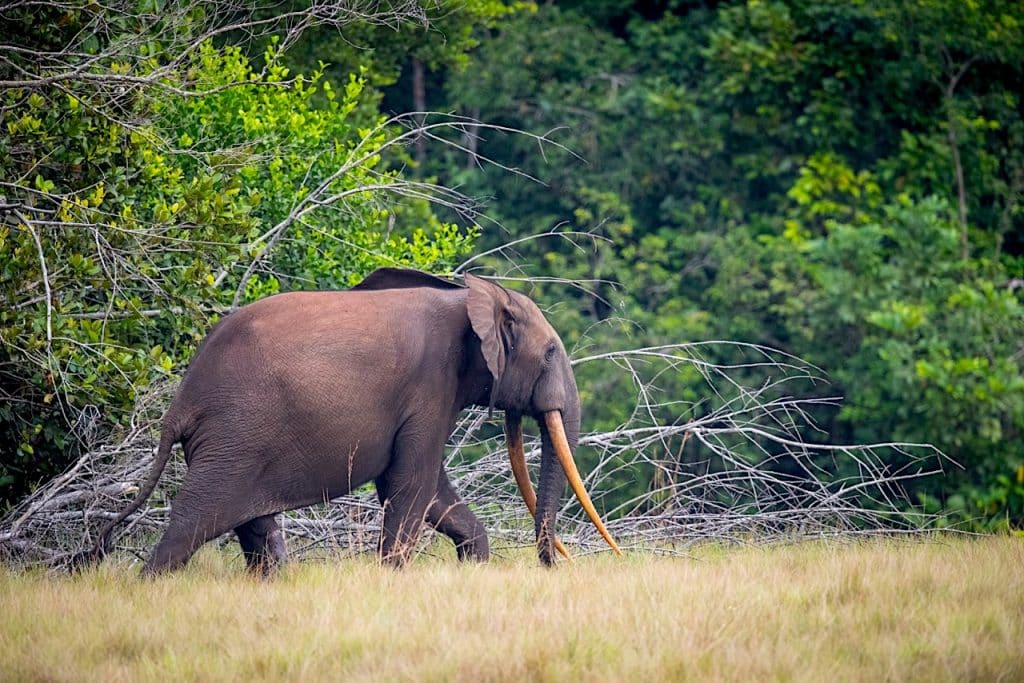
News Update
Wildlife Conservation is a Key Climate Change Solution
Recently, Jean-Gaël “JG” Collomb, CEO of the Wildlife Conservation Network, and Peter Lalampaa, Executive Director of Grevy's Zebra Trust, shared... Read More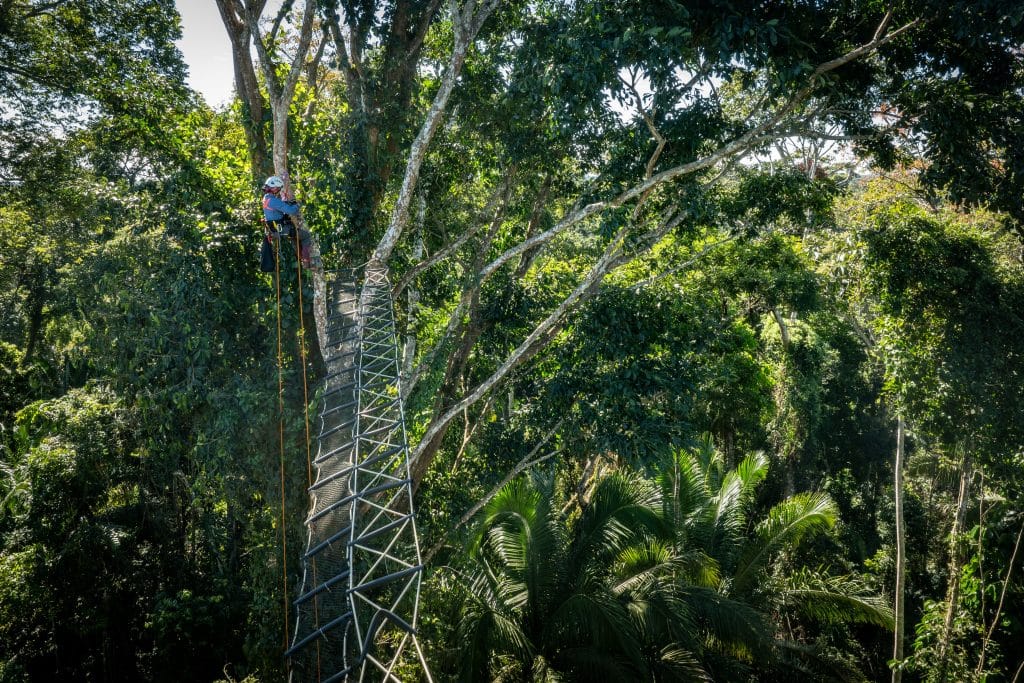
Stories: Amazonia Program
Bridging the Amazon
Sunlight glinted off the camera’s lens as Vania Tejeda secured it to the tree trunk. She pointed the camera toward... Read More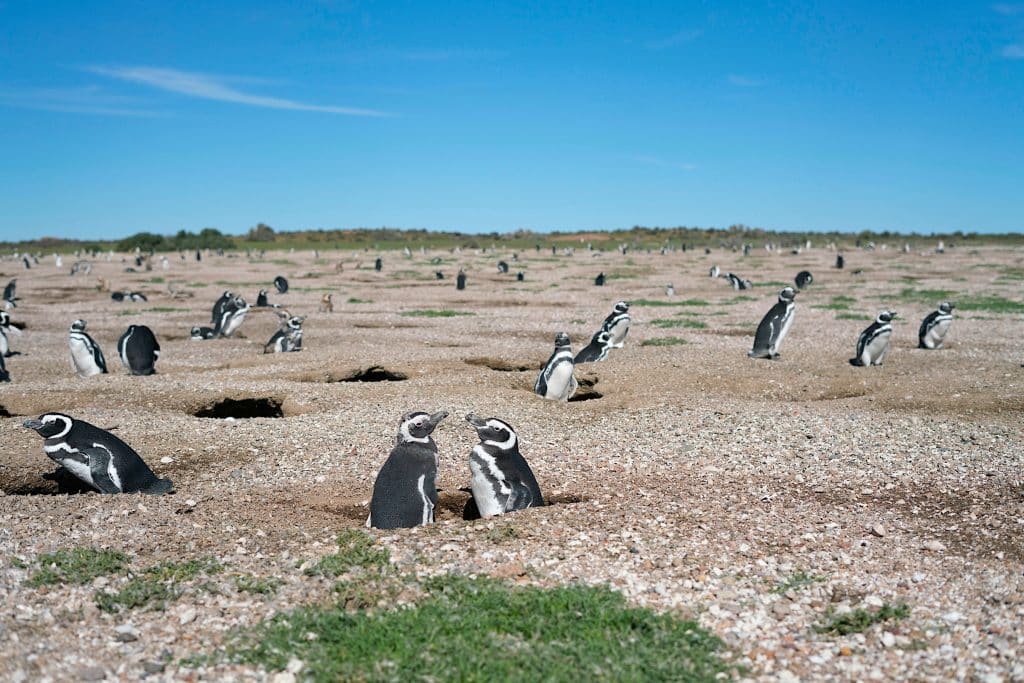
Stories: Global Penguin Society
A Landmark Legal Victory for Penguins
A shimmering wave met the sand, sending water racing up the shore toward an ocean of Magellanic penguins. One of... Read More
Stories: Misool Foundation
A Dream of Shark Recovery
Standing waist-deep in cerulean water, onlookers watched Lydia glide away from the beach, her fins outlining her shape against the... Read More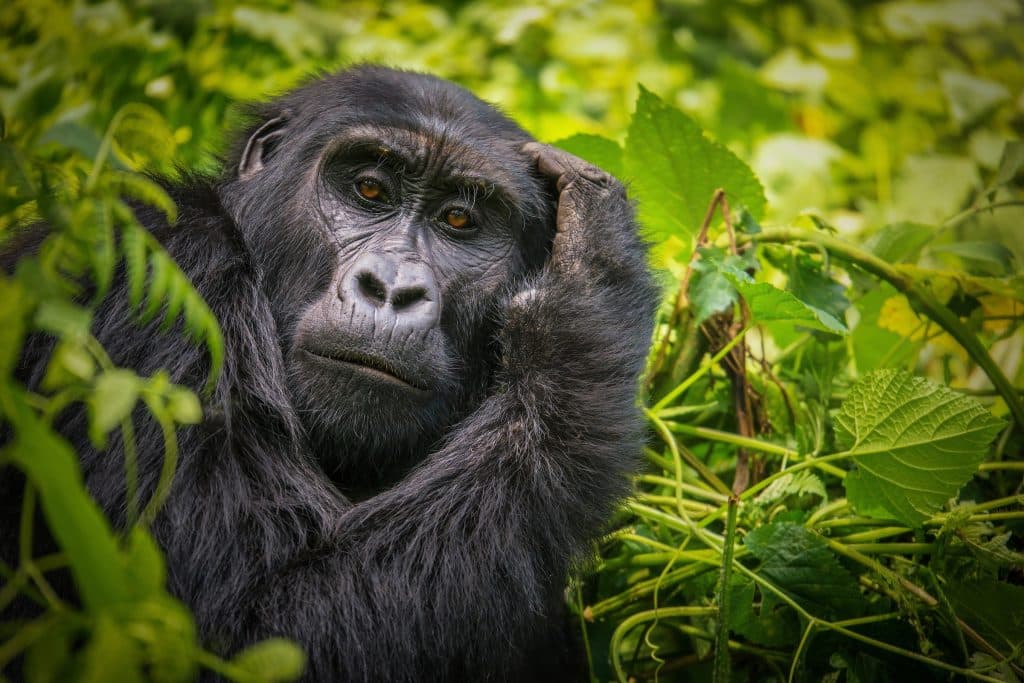
Stories: Conservation Through Public Health
Bringing New Faces into Gorilla Conservation
As her rubber boots slid against the muddy slope, Nakato Tamari gripped a moss-covered tree and regained her footing. Conservation... Read More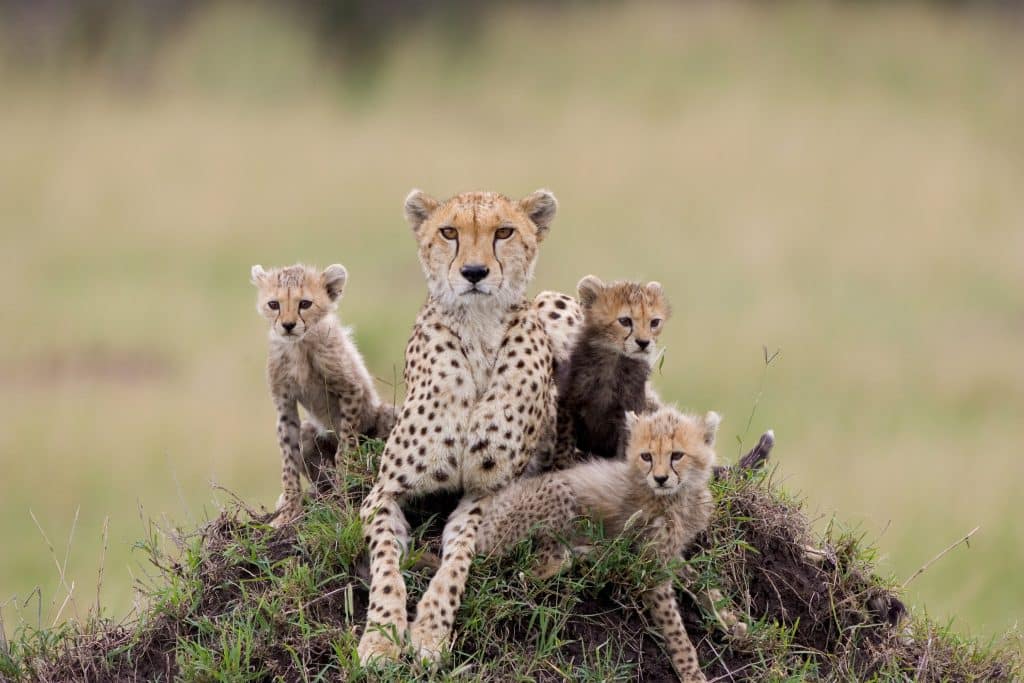
Stories: Cheetah Conservation Botswana
A Cheetah Family’s Second Chance
As the truck slowed into the farm, a concerned farmer turned his watchful eye away from his herd to greet... Read More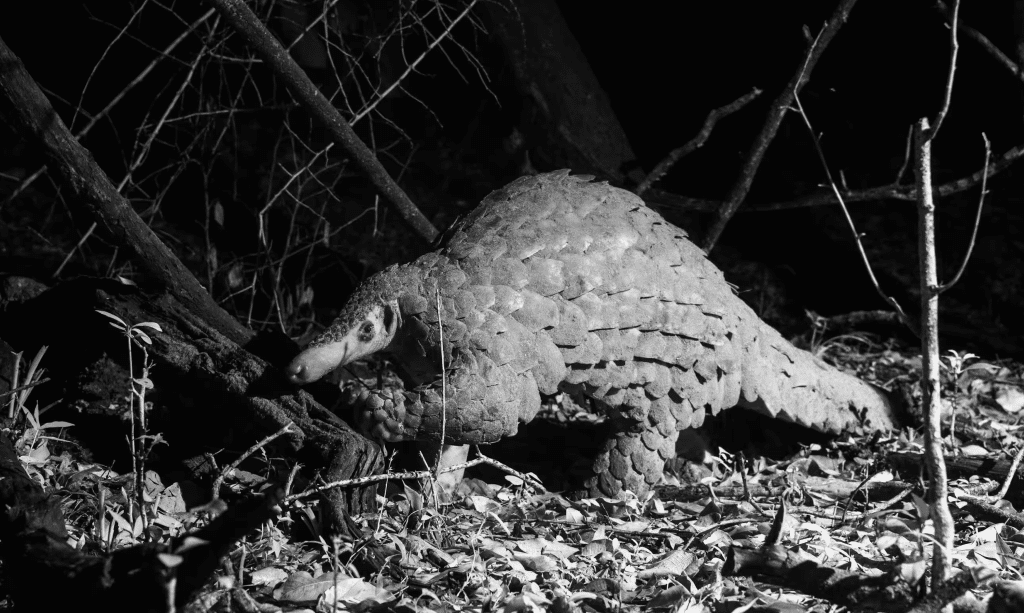
Stories: Pangolin Crisis Fund
Saving Kenya’s Last Giant Pangolins
Claire Okell walked along the wire fence surrounding a pasture filled with cattle. On the other side of it stood... Read More
Stories: Spectacled Bear Conservation
Positive Updates on Machu Picchu's Spectacled Bears
Spectacled Bear Conservation (SBC) is leading conservation and protection efforts for spectacled bears within Machu Picchu. Little is known about... Read More
News Update
Wildlife Conservation is a Key Climate Change Solution
Recently, Jean-Gaël “JG” Collomb, CEO of the Wildlife Conservation Network, and Peter Lalampaa, Executive Director of Grevy's Zebra Trust, shared... Read More
Stories: Amazonia Program
Bridging the Amazon
Sunlight glinted off the camera’s lens as Vania Tejeda secured it to the tree trunk. She pointed the camera toward... Read More
Stories: Global Penguin Society
A Landmark Legal Victory for Penguins
A shimmering wave met the sand, sending water racing up the shore toward an ocean of Magellanic penguins. One of... Read More
Stories: Misool Foundation
A Dream of Shark Recovery
Standing waist-deep in cerulean water, onlookers watched Lydia glide away from the beach, her fins outlining her shape against the... Read More
Stories: Conservation Through Public Health
Bringing New Faces into Gorilla Conservation
As her rubber boots slid against the muddy slope, Nakato Tamari gripped a moss-covered tree and regained her footing. Conservation... Read More
Stories: Cheetah Conservation Botswana
A Cheetah Family’s Second Chance
As the truck slowed into the farm, a concerned farmer turned his watchful eye away from his herd to greet... Read More
Stories: Pangolin Crisis Fund
Saving Kenya’s Last Giant Pangolins
Claire Okell walked along the wire fence surrounding a pasture filled with cattle. On the other side of it stood... Read More
Stories: Spectacled Bear Conservation
Positive Updates on Machu Picchu's Spectacled Bears
Spectacled Bear Conservation (SBC) is leading conservation and protection efforts for spectacled bears within Machu Picchu. Little is known about... Read More